Google Business Profile Optimization: 2026 Complete Checklist
Learn how to optimize your Google Business Profile for 2026. This complete checklist covers GBP SEO tips, from NAP consistency to review management, to improve local search rankings and attract customers.
The Foundational GBP Optimization Checklist
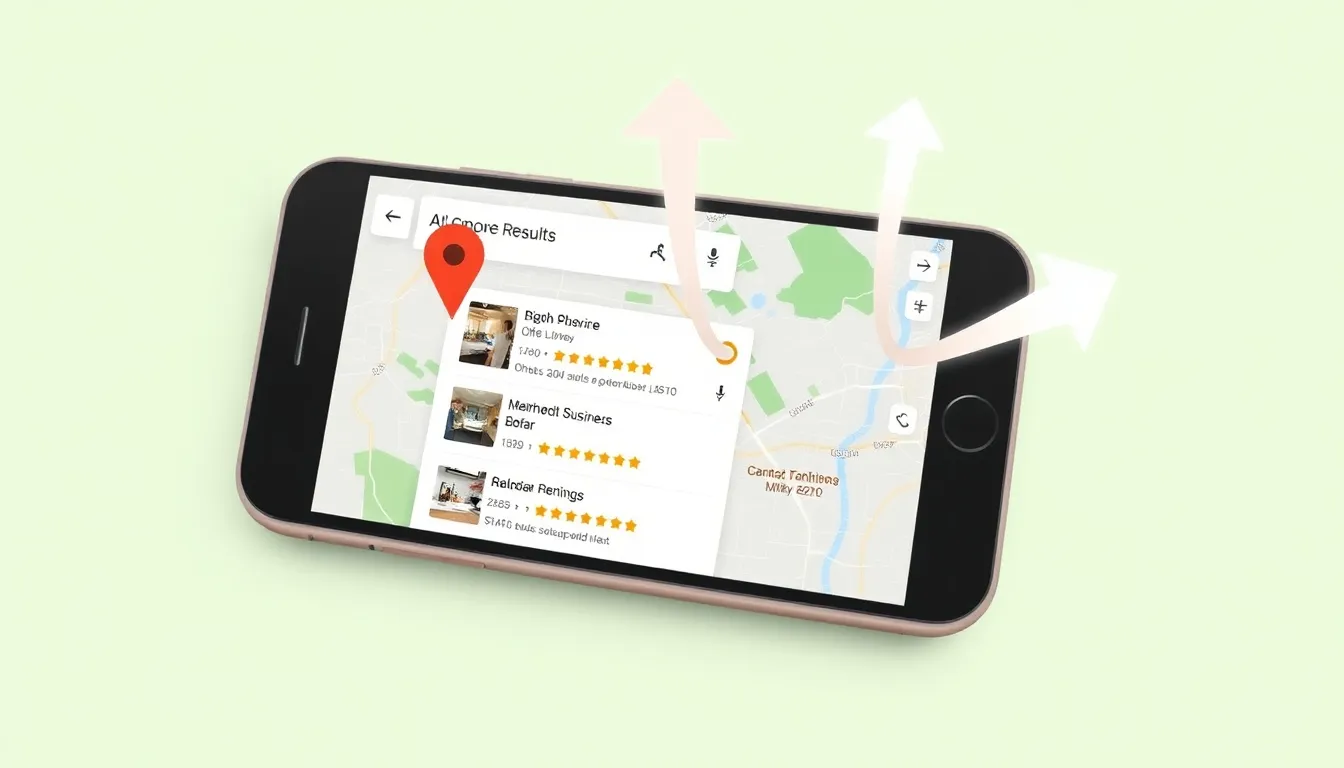
A complete and optimized Google Business Profile directly shapes how often your business appears in local search results and how likely searchers are to visit. For a local business owner, your Google Business Profile is your digital storefront. It is often the first interaction a potential customer has with your brand. When someone searches for "plumber near me" or "Italian restaurant downtown," the results they see in Google Maps and the local pack are powered by GBP data. An incomplete or inaccurate profile can mean lost calls, missed bookings, and revenue walking out the door. Optimization is not a one-time task. Google's algorithms and user expectations evolve. What worked in 2024 may be outdated today. This guide provides a data-driven, actionable checklist for 2026, focusing on the specific signals Google uses to rank local businesses and convert profile viewers into customers.
Google Business Profile optimization is the process of fully completing, verifying, and actively managing your business listing on Google to improve its visibility in local search results and convert more profile viewers into customers. This involves more than just filling out basic information. Effective optimization requires a strategic approach across several key areas: ensuring absolute accuracy in your business name, address, and phone number (NAP); selecting the most relevant categories; uploading high-quality photos regularly; actively managing reviews and Q&A; and using features like Google Posts and attributes. Each completed section sends a positive signal to Google's local search algorithm, which can improve your ranking for relevant searches. Tools like the Google Business Profile manager (free), local citation audit tools like BrightLocal or Whitespark, and review management platforms like OwnCrew Customer Ops can help automate and track your optimization efforts. The goal is to present the most complete, accurate, and engaging snapshot of your business to searchers.
A strong foundation is non-negotiable. Incomplete or inconsistent core information confuses both customers and Google's algorithm, directly harming your visibility. This section covers the essential setup that every profile must get right.
NAP Consistency: The #1 Ranking Signal Your business Name, Address, and Phone
number (NAP) must be identical everywhere it appears online. This includes your GBP, your website, and all other directories (Yelp, Facebook, industry-specific sites). Consistent NAP information across your top local citations is one of the trust signals Google's algorithm weighs, and it can support your local pack ranking. To audit your NAP, start with a simple Google search for your business name and city. Check the listings that appear. Use a tool like BrightLocal's Citation Audit to automate this process across hundreds of directories. Any discrepancy, such as "St." on one listing and "Street" on another, or a missing suite number, creates noise. Correct these at the source, beginning with your GBP and your own website, as these are considered primary sources of truth.
Category and Description Optimization Your primary category is the single most important
factor for ranking in relevant searches. Choose the one that most precisely describes your core service. For a law firm that specializes in personal injury, "Personal Injury Attorney" is far better than the generic "Law Firm." You can then add up to nine additional secondary categories to capture other services, like "Car Accident Attorney" or "Workers Compensation Attorney." Your business description is a 750-character space to inform and persuade. It is not indexed for local pack ranking in the traditional SEO sense, but it influences user behavior (click-through rate, time on profile), which is a ranking factor. Write for customers, not just algorithms. Include your location city, core services, and what makes you unique. Use keywords naturally, but avoid stuffing. A clear call to action, like "Book your free consultation online today," can drive conversions.
Attributes, Services, and Menus
Attributes are the specific features or offerings of your business. Filling these out provides rich data for Google and helps you appear in more specific searches. For a restaurant, attributes include "Outdoor seating," "Vegetarian options," or "Serves brunch." For a hotel, "Free breakfast" or "Pool." Select every attribute that accurately applies to your business. The Services section (or Menu for restaurants) is critical. For service-area businesses, list every service you offer with a brief description. This content is directly indexed and can help you rank for searches like "furnace repair [City]." For restaurants, a digital menu uploaded via a supported partner (like SinglePlatform or GloriaFood) keeps your offerings current and can even enable direct ordering. An outdated menu is a major source of customer frustration.
Summary: Foundational optimization requires perfect NAP consistency, a precise primary category, and a fully completed profile with attributes and services. Correcting NAP inconsistencies removes a common source of algorithmic distrust and can support better local pack visibility. In 2026, this data hygiene forms the baseline for all other advanced strategies.
Advanced GBP SEO Tips for Visibility
Once your foundation is solid, you can implement advanced strategies to boost your profile's visibility and click-through rate. These actions signal to Google that your business is active, relevant, and worthy of a top spot.
Photo Strategy: Quality, Quantity, and Frequency
Photos are a massive engagement driver. Profiles with a rich, well-organized set of photos tend to drive more requests for directions and more website clicks than sparse profiles, since photos are a major factor in a searcher's decision to engage. But it is not just about quantity. You need a strategic mix:
- Exterior photos: Help customers recognize your building.
- Interior photos: Show the ambiance of your space.
- Product/Service photos: Showcase what you sell or do.
- Team photos: Build trust and humanize your brand.
- Photos at work: For service businesses, show before/after shots or you in action. Upload high-resolution photos (720px x 720px minimum). Use descriptive filenames (e.g.
acme-bakery-chocolate-croissant-interior-2026.jpg) and alt text where possible. Commit to uploading new photos monthly. Google favors fresh, user-generated content too, so encourage customers to take and post their own photos.
Mastering Google Posts for Engagement Google
Posts are social media updates that appear directly in your GBP and Google Search. They are ephemeral (lasting 7 days for most types) but have a proven impact. Regular posting can increase your visibility in the local finder, and Posts that include offers can directly drive conversions.
| Post Type | Best Use Case | Ideal Frequency |
|---|
| Offer Post | Promote a sale, discount, or special. Includes a coupon code. | 1-2x per month |
| Event Post | Advertise an in-store event, webinar, or open house. | As events occur |
| What's New | Share company news, a new product launch, or a blog article. | 1x per week |
| COVID-19 Update | Share changes to hours, services, or safety protocols. | As needed | Always include a high-quality image or video and a clear call-to-action button (e.g. "Book," "Order Online," "Learn More"). For a deeper dive on creating a content calendar for local businesses, consider reading our Complete Guide to Google Review Management in 2026.
Q&A and Messaging Management The Q&A section is publicly editable, making it
a potential source of incorrect information if left unmonitored. Proactively add and answer common questions (e.g. "Do you take reservations?" "What is your pet policy?"). Monitor this section weekly and provide polite, accurate answers to user-submitted questions promptly. You can also "upvote" helpful answers from others. Enable the messaging feature if you can commit to replying within a few hours. A fast response time is displayed on your profile and builds immediate trust. Set clear expectations in your automated greeting about your response hours. Tools like the Google Business Profile app allow you to manage messages on the go.
Summary: Advanced SEO relies on active profile management through a strategic photo upload schedule, regular Google Posts, and vigilant Q&A monitoring. Profiles with a strong, regularly updated photo library tend to see meaningfully higher engagement than sparse ones. In 2026, treating your GBP as a dynamic channel, not a static listing, is the key to outperforming competitors.
Operational Google My Business Optimization
This aspect of optimization focuses on the features that help a direct transaction or customer action. It is about reducing friction between a customer finding you and deciding to do business with you.
Booking, Ordering, and Appointment Links
Integrating direct action buttons is a conversion
game-changer. Use the built-in link options to connect your profile to your booking software (e.g. Resurva, Square Appointments), food ordering platform (e.g. Uber Eats, DoorDash), or reservation system (e.g. OpenTable, Resy). This creates a smooth path from discovery to purchase. If you do not use a formal partner, you can still use the "Appointment URL" or "Order Online" link fields to direct users to the relevant page on your website. The key is to make the next step for the customer as easy as a single tap. Every barrier removed increases the likelihood of conversion.
Website Link and UTM
Tracking Your website link is one of the
most clicked elements on your profile. Do not just link to your homepage. For better conversion rates, consider linking to a highly relevant landing page. A restaurant might link directly to its menu page. A salon could link to its services booking page. To measure the traffic and conversions from your GBP, use UTM parameters. Instead of yourwebsite.com, use a link like yourwebsite.com/?utm_source=google-business-profile&utm_medium=organic&utm_campaign=gbp-link. This allows you to track visits, bounce rates, and goals from this specific source in Google Analytics, proving the ROI of your optimization work. For more on measuring the value of local visibility, see our analysis on Review Management ROI.
Regular Hours, Special Hours, and Service Areas Accurate hours are critical. Incorrect
hours are a top source of negative reviews. Set your regular hours meticulously. For holidays, seasonal changes, or special events, use the "Special Hours" feature well in advance. Google can also display "busy times" data, which is populated from user visits, so encouraging check-ins can provide valuable data for future customers. For service-area businesses (e.g. plumbers, electricians), define your service cities or regions . Do not set a physical address location if you do not serve customers at that address. This misrepresentation can lead to suspension. You can list multiple service areas, but be realistic about your operational range.
Summary: Operational optimization turns your profile into a transaction point by integrating booking links, using trackable website URLs, and maintaining flawless hours information. Linking to a specific, relevant service page rather than your homepage tends to convert better, since it matches what the searcher was already looking for. In 2026, the GBP is a direct sales channel, not just a directory.
Review Management Within Your GBP
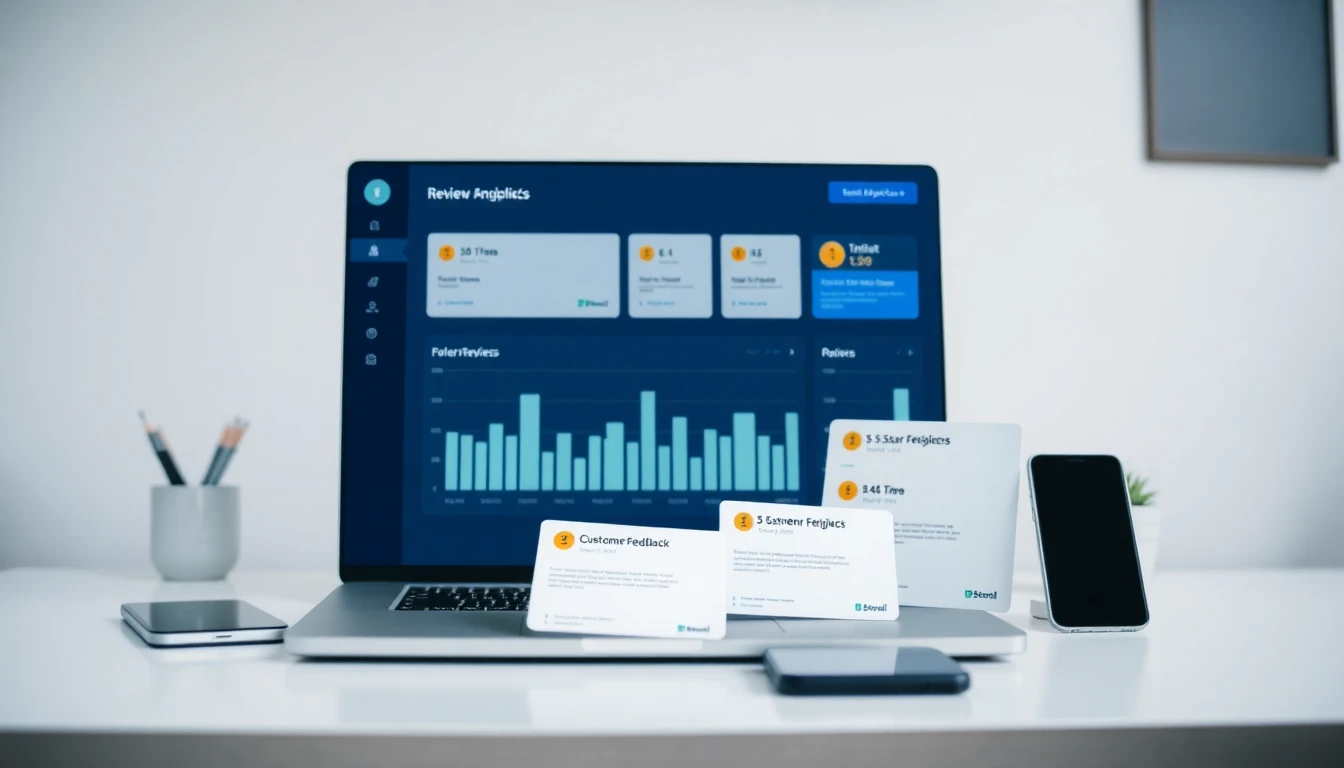
Reviews are a direct ranking factor for local SEO and the primary social proof for converting customers. A strategic approach to review management within your GBP is essential for both visibility and reputation.
The Impact of Reviews on Local SEO Google's algorithm uses review signals,
including quantity, velocity (the rate of new reviews), and sentiment, to help determine local rankings. A business with a steady stream of new, positive reviews is seen as active and reputable. review keywords matter. When customers mention "emergency plumbing" or "vegan gluten-free pizza" in their reviews, Google associates those terms with your business, potentially helping you rank for those queries. Responding to all reviews, positive and negative, is also a confirmed best practice. It shows engagement and provides an opportunity to demonstrate customer care publicly. Google's own guidelines encourage owner responses.
Systematic Review Collection Waiting for reviews to happen organically is not a
strategy. You need a systematic, low-friction process to ask for feedback. The most effective method is to ask at the peak of the customer's satisfaction, right after a service is completed or as they leave your establishment. Digital methods reduce friction . Email or SMS review requests sent via your CRM or booking software are effective. For physical locations, a QR code placed at the point of payment or exit is powerful. When scanned, it can take the customer directly to your Google review page. Review management platforms like OwnCrew Customer Ops can help by centralizing these requests and tracking which customers have already been asked, cutting down the manual follow-up work. You can learn more about this setup in our QR Code Review Collection Guide.
Analyzing and Acting on Feedback Use the "Reviews" tab in your GBP
manager to read and respond to feedback. Look for patterns in negative reviews. Are multiple people complaining about slow service on weekends, or a specific product issue? This is direct operational feedback you can act on. For deeper analysis, especially with high review volume, a review management platform aggregates data across sites. It can provide sentiment analysis, automatically categorize complaints (e.g. "Service Speed," "Product Quality"), and even suggest AI-powered reply templates to save time. Addressing the root causes of complaints improves your service and can lead to reviewers updating their ratings. For a specialized approach, restaurants can explore our 90-Day Restaurant Review Strategy.
Summary: Proactive review management is a dual-purpose strategy that boosts local SEO rankings and builds customer trust. A QR code collection system removes friction at the exact moment a customer is most willing to leave feedback, which is why it tends to outperform waiting for reviews to happen organically. In 2026, the businesses that systematize feedback collection and analysis will control their online reputation and search visibility. The connection between reviews and rankings is detailed in our Local SEO Reviews Impact Study.
References
- [1]Google Business Profile Help: Reviews — Google
- [2]Google Business Profile: Edit Your Profile — Google
- [3]Small Business Guide — U.S. Small Business Administration
- [4]Marketing Statistics — HubSpot
- [5]Local Business Structured Data — Google Developers
- [6]Review Snippet Structured Data — Google Developers
Frequently Asked Questions
How often should I update my Google Business Profile?+−
Is it worth paying for Google Business Profile management services?+−
Can I have multiple Google Business Profiles for the same business?+−
What is the single most important thing to do for GBP optimization?+−
How do I remove a fake or spammy review from my Google Business Profile?+−
Do responses to Google reviews help with SEO?+−
What should I do if my Google Business Profile gets suspended?+−
How Reviews Impact Local SEO Rankings
Data-driven analysis of review signals in Google local search
Explore Local SEO Factors