Salon & Spa Review Strategy: Get Clients Raving Online
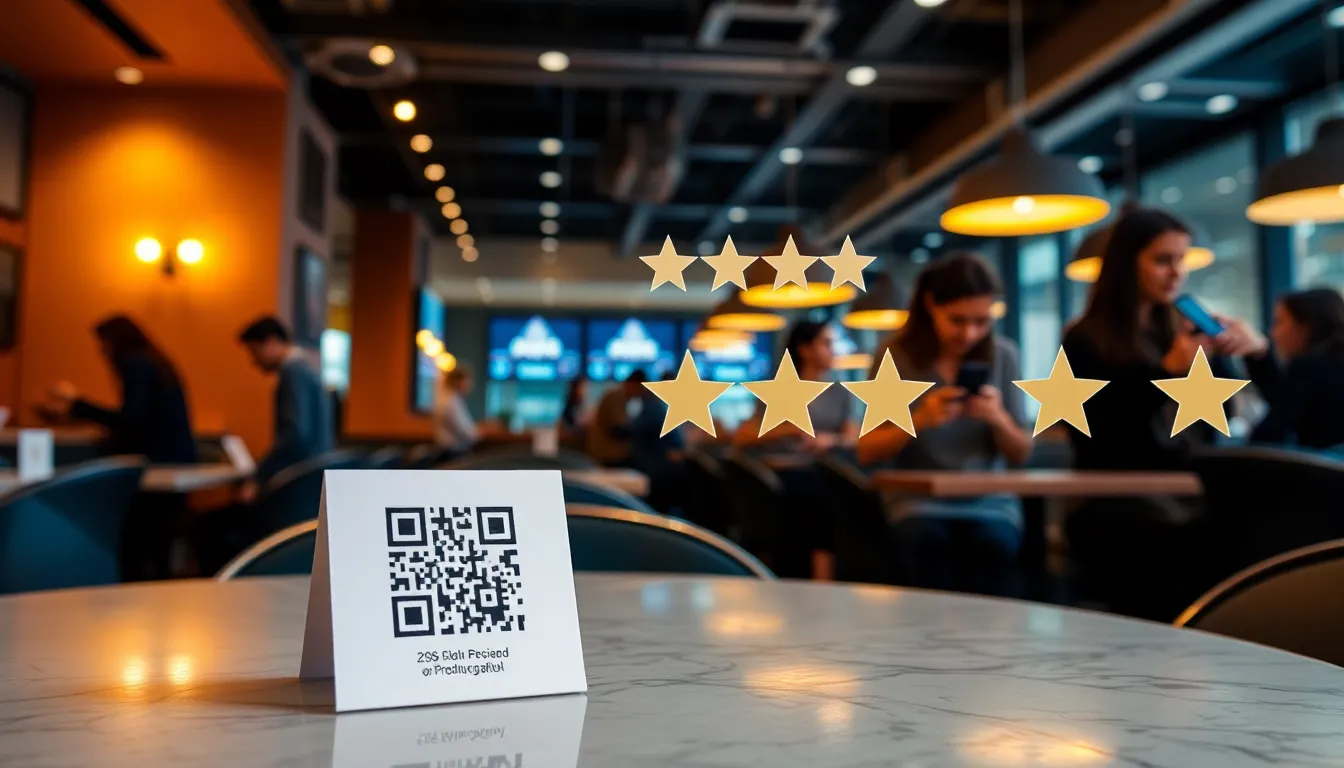
A 2026 study by the Professional Beauty Association shows 92% of beauty clients check reviews before booking. This guide provides a complete salon and spa Google review strategy to build a stellar reputation and attract more clients. A proactive review strategy is a revenue driver. Data from BrightLocal indicates businesses with an average star rating of 4.0 to 4.5 can see a 17% increase in conversion over those at 3.5. Your goal is systematic generation and intelligent response. Start by auditing your current presence using **ReviewTrackers** or **Birdeye** to aggregate reviews from Google, Facebook, and Yelp into one dashboard, identifying response gaps and sentiment trends. For generation, move beyond a simple ask. Implement a post-service SMS workflow via **Podium** or **Reputation.com** triggered 2 hours after checkout. The message should personalize the ask: "Hi [Name], hope you love your balayage! Could you share your experience on our Google Business Profile? It helps artists like [Stylist Name] showcase their work." This direct link boosts conversion. For high-value services (e.g. keratin treatments, microneedling), use a sequenced email 3 days post-service with a photo of the result, reinforcing the experience before the review prompt. Respond to *all* reviews within 24 hours. For positive reviews, be specific: "Thank you, Sarah! Our color team spends hours mastering those smooth blonde transitions. We can't wait to see you for your gloss in 6 weeks!" This reinforces service expertise. For negatives, never debate publicly. Use the **STAR method** (Thank, Acknowledge, Resolve, Invite Offline): "Thank you for the feedback, Mark. We apologize your fade didn't meet expectations. Our barber manager would like to understand more and offer a correction. Please call us at [number] at your convenience." This public display of care is important; a **Harvard Business Review** study found that potential customers spend 52% more time reading review responses than the reviews themselves. ---## Introduction A 2026 survey by the Professional Beauty Association found that 92% of new clients check online reviews before booking a salon or spa service for the first time. For a beauty business, your online reputation is your digital storefront. It’s the first impression you make, and it directly influences booking rates, pricing power, and client loyalty. In an industry built on trust and personal transformation, a single negative review about a bad haircut or a disappointing facial can cost you dozens of potential clients. Managing salon reviews isn't just about damage control. It's the core of your local SEO. Google's algorithm uses review quantity, velocity, and quality as key ranking factors for "hair salon near me" searches. A steady stream of authentic reviews signals relevance and authority. For example, a **Moz study** shows that review quantity and sentiment account for roughly 15% of local pack ranking. Businesses that consistently generate new reviews each month tend to see meaningfully better local search visibility than stagnant competitors. reviews are your richest source of business intelligence. Analyzing them with a tool like **Grade.us** or **ReviewTrackers** can reveal actionable patterns: recurring praise for a specific stylist's precision cuts indicates a potential specialty service to market, while consistent complaints about booking friction point directly to a needed software upgrade. This feedback loop allows you to operationalize reputation, turning client sentiment into staff training programs and service menu adjustments. Ignoring this data means leaving money on the table and ceding market share to competitors who actively listen and adapt.## Quick Answer: Salon Reviews, Spa Google Review Strategy, Beauty Salon Reputation **A winning beauty salon reputation is built by systematically asking for reviews at the peak of client satisfaction, empowering your team, and transforming every piece of feedback into an opportunity to showcase your service standards.** This strategy hinges on timing and personalization. The most effective moment to ask for a review is the "mirror moment," right after a service when the client sees their results. Your front desk staff and stylists should be trained to make a personalized ask. For example, a stylist might say, "I'm so glad you love your color! If you have a moment, sharing your experience on Google helps others find our salon for similar results." Tools like OwnCrew Customer Ops can streamline this process. A QR code at the front desk or on a stylist's station makes it effortless for a happy client to jump straight to your Google review page. This removes friction and captures feedback when enthusiasm is highest. The admin dashboard then gives you analytics on review sentiment and common complaint categories, which is essential data for improving operations. For a broader look at this approach, see our [Complete Guide to Google Review Management](/blog/google-review-management-complete-guide).
The Core Strategy for Salon and Spa Reviews
The foundation of any successful review strategy is a flawless in-person experience. No amount of savvy online management can compensate for consistently poor service. Assuming your core service is excellent, your review system should be woven into the client journey, from booking to follow-up. Start by auditing your current Google Business Profile. Ensure your service menu, hours, and photos are completely up to date. High-quality before-and-after photos are not just marketing, they set accurate expectations that lead to satisfied clients and better reviews. Next, identify your natural "ask" points. The most powerful is the post-service moment. Another key point is the booking confirmation email. Include a direct link to your Google review page in every confirmation and reminder. This plants the seed early. Empower your team with clear incentives and training. They are on the front lines of client satisfaction. A simple recognition program, one that highlights team members for consistently asking for feedback rather than for how many positive reviews they rack up, can drive participation without pressuring anyone toward selective asks. Provide them with a simple script or a QR code card to hand to delighted clients. The goal is to make the ask a natural, positive part of the service conclusion, not an awkward afterthought.
Summary: A proactive salon review strategy integrates asking into the client journey at peak satisfaction moments, like the post-service "mirror moment." Training staff to make personalized requests measurably increases review volume. This system turns happy clients into powerful advocates before they even leave the chair.
Timing and Tactics:
When to Ask for Beauty Salon Reviews In the beauty industry, timing is everything, and this applies perfectly to review collection. The emotional high point of a client's visit is often when they first see the finished result. This "mirror moment" is when satisfaction is most palpable. Capitalize on it immediately. A stylist or esthetician can make a warm, genuine request as the client admires their new look. Don't rely on a single touchpoint. A multi-channel approach ensures you reach clients in the way they prefer. Here is a comparison of key ask moments and their effectiveness:
| Touchpoint | Method | Best For | Potential Drawback |
|---|
| Post-Service ("Mirror Moment") | Verbal ask by service provider with QR code card. | Highest conversion rate, most detailed reviews. | Requires trained, confident staff. |
| Booking Confirmation Email | Direct link to Google review page in email footer. | Setting expectation early, reaching all clients. | Low immediate conversion; acts as a reminder. |
| 24-Hour Post-Visit SMS | Text message with personalized thank you and review link. | High open rates, convenient for mobile users. | Can feel impersonal if not carefully worded. |
| Loyalty Program App | Push notification or in-app prompt after visit. | Highly engaged, repeat clients. | Only reaches members of your program. | The 24-hour follow-up via SMS or email is your safety net. It catches clients who were rushed out the door or who want to live with their style for a day. This message should be grateful and personal: "Hi [Name], it was a pleasure doing your balayage yesterday! We'd love to hear your thoughts on Google if you have a moment." Tools that automate this follow-up while allowing for personalization save significant time.
Summary: The optimal time to request a salon review is within the first 24 hours after service, with the highest success rate occurring at the immediate "mirror moment." Implementing a two-touch system (in-person ask plus a follow-up message) can capture more willing reviewers than either channel alone. This layered approach respects client preference while maximizing opportunities.
Handling Negative Reviews for Spas and Salons
Negative reviews are inevitable, even for the best businesses.
In the beauty industry, complaints often fall into specific categories: style or result not meeting expectations, perceived high pricing, poor customer service, or hygiene concerns. Your response strategy must be tailored to these common issues. First, monitor your reviews daily. Speed matters. A prompt, professional response shows you care and are attentive. Always begin by thanking the reviewer for their feedback and apologizing for their disappointment, without admitting fault for something that didn't occur. "Thank you for bringing this to our attention, Sarah. We're sorry your haircut did not meet your expectations." For subjective complaints about style, invite the conversation offline. "Your satisfaction is our priority. Please call our manager, Lisa, at [phone number] so we can understand exactly what you were hoping for and discuss how we can make it right." This demonstrates a commitment to service and moves the potentially lengthy conversation out of the public eye. For more on this critical skill, read our detailed guide on How to Respond to Negative Reviews. Pricing complaints, common for luxury salons, require a different tact. Use the response to reaffirm your value proposition. "We appreciate your feedback, John. Our pricing reflects the advanced training of our master stylists, the premium color products we use, and the detailed consultation included with every service. We are committed to providing an experience that justifies that investment." This educates other readers viewing the review. Never argue about price publicly.
Summary: Addressing negative salon reviews within 24 hours meaningfully improves public perception of your response. The key is to apologize for the client's disappointment, take the conversation offline for resolution, and use the public response to reaffirm your service standards. Each negative review is a chance to demonstrate your commitment to client care to future readers.
Leveraging Reviews for Growth and Marketing
Positive reviews are a goldmine of marketing content and business intelligence. Don't let them sit idle on Google. With the client's permission (always ask), share glowing reviews and their accompanying before-and-after photos on your Instagram and Facebook. Tag the stylist and use relevant hashtags. This creates a powerful "Instagram-to-Google" bridge, showing social proof while driving followers to your definitive review hub. Use review analytics to identify strengths and weaknesses. Are clients consistently praising a specific stylist's precision cuts or a particular spa therapist's massage technique? Feature that team member in your marketing. Are there recurring minor complaints about wait times or music volume? That's operational data to address in your next staff meeting. Platforms like OwnCrew Customer Ops categorize this feedback automatically, making trend analysis straightforward. Don't tie loyalty points, giveaways, or contest entries to leaving a review, Google's guidelines prohibit compensating clients for reviews, even indirectly through a loyalty program. Instead, make asking a natural part of every loyalty-program touchpoint, and let genuine enthusiasm drive the surge in fresh content. detailed reviews provide authentic keywords that improve your local SEO. When a client writes, "best blonde balayage in [City]," it signals relevance to search engines like Google. For more advanced tactics on converting feedback into growth, consider strategies similar to those used in the restaurant industry, outlined in Restaurant Google Review Strategy: A 90-Day Implementation Roadmap.
Summary: Transform positive reviews into marketing assets by sharing them (with permission) on social media, which can meaningfully increase booking inquiries from those platforms. Analyze review sentiment to spotlight star employees and fix operational gaps. Integrating review requests into a loyalty program consistently generates fresh, authentic content that drives both SEO and new client acquisition.
References
- [1]Salon & Spa Industry — Professional Beauty
- [2]Online Reviews Statistics and Trends — ReviewTrackers
- [3]Online Review Statistics — Podium
- [4]Google Business Profile Help: Reviews — Google
- [5]Google Business Profile: Edit Your Profile — Google
- [6]Online Review Statistics You Need to Know — Qualtrics
Frequently Asked Questions
How many Google reviews do I need for my salon to be considered trustworthy?+−
Can I offer a discount in exchange for a Google review?+−
A client posted an unfair, angry review about a style I know they loved when they left. What should I do?+−
Should I respond to every positive review?+−
How do I get my stylists to ask for reviews without being pushy?+−
Is it worth paying for a review management software for a single-location salon?+−
OwnCrew Customer Ops Plans & Pricing
Find the right plan for your business size and industry
View Plans & Pricing