Hotel Online Reputation Management: Complete Strategy Guide
A complete hotel reputation management strategy guide. Learn how to manage Google reviews across properties, respond to negative reviews, and act on the operational issues guests keep raising.
Hotel Reputation Management Challenges and Multi-Platform Strategy
A stronger average review score is consistently associated with the average daily rate (ADR) a property can command. For hotel managers and owners, online reviews are no longer just feedback, they are a primary driver of revenue and occupancy. Reviews are also central to how travelers evaluate a hotel before booking, and Google has become the dominant platform for both discovery and validation. Your hotel's digital reputation, spread across Google, TripAdvisor, Booking.com, and Expedia, directly impacts your search visibility, conversion rates, and pricing power. A fragmented or reactive approach to review management means leaving money on the table and ceding ground to competitors. This guide provides a concrete, operational strategy to systematically build a positive online reputation that attracts more guests and builds lasting loyalty.
Hotel reputation management is the continuous process of monitoring, soliciting, and responding to guest reviews across all major platforms to improve visibility, trust, and direct bookings. An effective strategy requires a centralized system. You must actively ask for reviews at the optimal moment, which is typically within 24 hours of check-out. Use in-room QR codes and post-stay email sequences to direct guests to Google, as Google reviews have the strongest impact on local SEO and map pack rankings. Monitor all major platforms daily using a dashboard tool. Respond to every review, positive and negative, within 24 hours for Google and 48 hours for OTAs. Public responses show engagement, while private follow-ups on serious complaints can salvage relationships. Analyze review sentiment to identify operational issues, like slow Wi-Fi or breakfast quality, and use that data to make tangible improvements. Tools like OwnCrew Customer Ops can streamline this by using QR codes for easy review collection and providing an admin dashboard for analytics and AI-powered reply suggestions.
Managing a hotel's online reputation is uniquely complex compared to a standard retail business. The stakes are higher, the guest journey is longer, and the feedback ecosystem is fragmented across multiple high-authority platforms. Each platform serves a different purpose in the booking funnel and requires a tailored approach. Google is the top of the funnel for discovery and local SEO. A strong Google Business Profile with fresh, positive reviews is critical for appearing in "hotels near me" searches and the local map pack. TripAdvisor is the research and consideration platform, where travelers compare detailed reviews, photos, and rankings. Online Travel Agencies (OTAs) like Booking.com and Expedia are transactional platforms; reviews here heavily influence the final booking decision for users already on those sites. Your strategy must harmonize efforts across all three, with a clear understanding of their distinct roles and audiences.
Optimizing the Guest Touchpoint for Review Collection
The timing and method of your review request are the biggest levers for increasing volume. The goal is to catch the guest when their experience is freshest and make the process effortless.
- Check-Out Timing: The best moment to ask is during check-out. A simple, verbal prompt from front desk staff, such as, "We hope you enjoyed your stay. If you have a moment, we'd love for you to share your experience on Google," can be highly effective. Provide a physical card with a QR code linking directly to your Google review page.
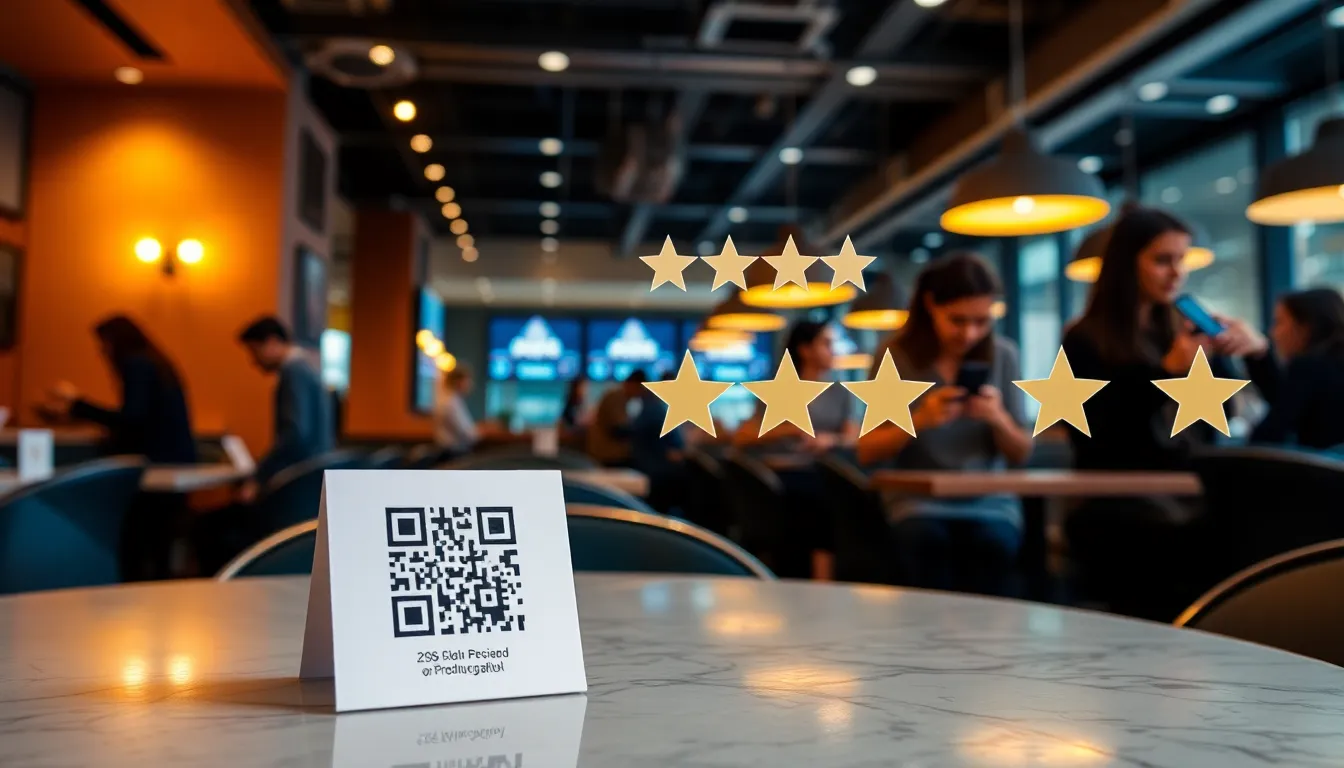
- In-Room QR Codes: Place QR code stands on nightstands, desks, or bathroom mirrors. The code should link to a mobile-optimized page where guests can select experience tags (e.g. "Comfy Bed," "Great View," "Friendly Staff") and get an editable draft based only on what they picked, which they can rework and post themselves. This method reaches guests during a quiet, reflective moment in their room.
- Post-Stay Email Sequences: Send a personalized thank-you email within 3-6 hours of check-out. This email should primarily focus on thanking the guest and encouraging repeat business. A secondary, gentle request for a Google review can be included, with a clear button link. A follow-up email 2-3 days later can be more direct in asking for the review, as the guest has had time to reflect on their entire trip.
Managing OTA Reviews vs. Google Reviews
Your response strategy must differ by platform.
- Google Reviews: Respond to all reviews, positive and negative, within 24 hours. Responses are public and signal engagement to future guests and Google's algorithm. Thank guests by name for positive reviews and address specific complaints publicly for negative ones, showing you take feedback seriously. Always move detailed problem-solving to a private channel.
- OTA Reviews (Booking.com, Expedia): Response times can be slightly longer (24-48 hours), but consistency is key. These reviews are often longer and more detailed. Your responses should be equally detailed, demonstrating that you read the feedback. OTA responses are important because they are displayed prominently to users who are literally one click away from booking.
Summary: Hotel reputation management requires a unified strategy across Google, TripAdvisor, and OTAs. The most effective method to increase review volume is a multi-channel approach: QR codes in rooms, front desk prompts at check-out, and targeted email sequences. Prioritize a 24-hour response SLA on Google to boost local SEO and guest trust. A centralized dashboard is essential for managing this multi-platform workflow efficiently.
Hotel Google Reviews Strategy for SEO and Direct Bookings
For hotels, a dominant Google review profile is the single most important digital asset for driving organic traffic and reducing OTA dependency. Google reviews feed directly into your local SEO performance, influencing your ranking in the "Hotel Pack" and for key terms like "hotel in [city]." Review quantity, velocity (how quickly you get new reviews), and diversity (reviewer Local Guides status) all factor into how Google Business Profile listings are ranked. Your Google review strategy must be proactive, not passive. The goal is to generate a consistent stream of authentic, detailed 5-star reviews that highlight your unique selling propositions (USPs), such as your rooftop bar, spa, or family-friendly amenities.
Generating High-Quality, Detailed Reviews
Generic "great stay" reviews are good, but detailed reviews are gold. They provide the specific social proof that converts hesitant bookers.
- Prompt for Details: Instead of just asking for a review, ask for a review about something. Train your staff to say, "If you loved the panoramic view from your room, we'd be thrilled if you mentioned it in a Google review." In your email or QR code landing page, use tag selection. When a guest selects "Amazing City View," the AI-generated review draft can start with, "The panoramic city view from our room was absolutely breathtaking..."
- use Peak Moments: Encourage reviews after a guest has enjoyed a peak experience. This could be after a successful event hosted at your hotel, a positive interaction with the concierge who secured last-minute tickets, or following a special amenity like a complimentary welcome drink. The emotional high point creates more enthusiastic and specific feedback.
- Never Incentivize Reviews: Never offer a discount, upgrade, gift, or contest entry in exchange for a review, positive or otherwise — this violates Google's policies regardless of whether the reward is tied to the content of the review. Ask for honest feedback and make the process easy; do not attach anything of value to the act of reviewing.
Using Google Reviews to Improve Local SEO
Google reviews are a direct local SEO signal. To maximize their impact:
- Encourage Keyword-Rich Reviews: While you can't script reviews, you can subtly guide guests. If your hotel is known for being "pet-friendly" or having a "heated outdoor pool," mention these features in your review request materials. Guests who had a positive experience with that feature are likely to include it.
- Manage Q&A: Actively monitor and answer questions in your Google Business Profile Q&A section. This user-generated content is highly visible and can pre-empt negative reviews by providing clear information upfront.
- Upload Photos from Reviews: When a guest leaves a review with a great photo, ask for permission to add it to the official photo gallery of your Google Business Profile. User-generated photos have high credibility. | Review Factor | Impact on Local SEO | Hospitality Benchmark |
| :--- | :--- | :--- |
| Average Rating | High. Must be above 4.0 to be competitive. | Target: 4.3+ |
| Review Quantity | High. Signals popularity and trust. | Aim for 10+ new/month for small hotels, 50+ for large. |
| Review Velocity | Medium-High. Consistent flow shows active business. | Avoid gaps longer than 2 weeks. |
| Review Diversity | Medium. Reviews from Local Guides (Level 4+) carry more weight. | No direct control, but welcome all guests. |
| Response Rate | Confirmed Signal. Google tracks if you respond. | Target 100% response rate, within 24 hours. | For a deeper analysis of how reviews convert to revenue, see our study on Review Management ROI.
Summary: A hotel's Google review strategy must focus on generating detailed, keyword-rich reviews at a consistent velocity to boost local SEO rankings. Guide guests to mention specific amenities in their reviews through targeted prompts and QR code tags. Aim for a 4.3+ average rating and respond to 100% of reviews within 24 hours to satisfy Google's engagement signals and build booker trust.
Operational Hotel Review Management and Response Protocols
Review management is an operational discipline that requires clear standards, assigned ownership, and measurable SLAs (Service Level Agreements). For a hotel, this means integrating review monitoring and response into the daily duties of specific staff, often the front office manager or guest relations team. The core workflow has three parts: monitoring, categorizing, and responding. Without a system, important feedback gets lost, and responses are slow and inconsistent, damaging your reputation.
Establishing Review Response SLAs and Ownership
Speed and professionalism in public responses are non-negotiable.
- Response Time SLA: Set a company standard: Google reviews: 24 hours. OTA reviews: 48 hours. This includes weekends. Use a tool that sends instant alerts to a designated team member's email or Slack channel when a new review arrives.
- Response Ownership: Designate a primary and secondary responder. This person should have excellent writing skills, knowledge of hotel operations, and authority to offer small compensations (like a discount on a future stay) if needed to resolve a complaint. All responses should be signed with a name and title (e.g. "Anna, Front Office Manager").
- Tone and Template Guidelines: Create a bank of approved response templates for common scenarios (positive review, minor complaint, major service failure). However, each response must be personalized. Always use the guest's name, reference something specific from their review, and avoid canned corporate language. For a complete framework, our guide to responding to negative reviews provides actionable templates.
Sentiment Analysis and Closing the Feedback Loop
Collecting reviews is only half the battle. The real value is in analyzing the data to improve operations.
- Categorize Complaints: Use your review management dashboard to tag negative feedback by category: Housekeeping, Noise, F&B, WiFi, Staff Attitude, etc. Over a quarter, this data will show you your top 2-3 operational pain points.
- Weekly Review Meetings: Incorporate a 15-minute review analysis segment into your weekly operations meeting. Share the top complaint categories and a few specific review excerpts. This turns abstract "reputation" issues into concrete, actionable items for department heads (e.g. "We had 3 reviews about slow pool towel service last week").
- Show You're Listening: When you make an improvement based on feedback, say so. A response to a future review can state, "Thank you for your feedback on our breakfast variety. Based on guest suggestions, we've recently added three new hot items to our buffet." This demonstrates a commitment to continuous improvement. For a complete look at the technical side of managing Google reviews, consult our Complete Guide to Google Review Management.
Summary: Effective hotel review management requires operational rigor: a 24-hour response SLA for Google, clear staff ownership, and the use of sentiment analysis to categorize feedback. Hold weekly meetings to translate review data into actionable operational fixes, such as adjusting housekeeping protocols or updating breakfast menus, to prevent recurring complaints.
Advanced Tactics: Seasonality, Loyalty, and Multi-Language Reviews
To move from good to exceptional, your review strategy must account for the nuances of the hospitality cycle. This includes managing the ebb and flow of seasonal business, deepening relationships with loyal guests, and communicating effectively with an international clientele.
Managing Review Volume Across Seasons
Review volume will naturally fluctuate with occupancy. Your goal is to smooth out these peaks and valleys to maintain consistent SEO signals and social proof.
- Peak Season Strategy: During high occupancy, you have maximum opportunity but also maximum operational strain. Double down on the easiest review collection methods: ensure QR codes are in every room and that check-out staff are consistently making verbal requests. If you hand out a small gift at check-out, give it to every departing guest regardless of whether they leave a review, and never mention it in the same breath as the request — the moment a guest connects the gift to the review, it is an incentivised review under Google's policy.
- Off-Season Strategy: When occupancy is lower, focus on quality and depth. Target your most loyal guests or those who booked directly for personalized review requests. This is also the ideal time to analyze the past season's feedback and implement training or upgrades. Lean harder on your existing collection channels (QR codes, check-out prompts, and loyalty outreach) during these slower months rather than running a review-specific contest — any prize tied to leaving a review violates Google's policies, even framed as a general drawing.
Integrating with Loyalty Programs and Concierge
Your best reviewers are your repeat guests. use existing relationships.
- Loyalty Program Integration: Add a "Review Us" section to your loyalty program member portal or app. After a member's stay, send them a dedicated email from the "Loyalty Manager" thanking them and asking for their detailed feedback on Google. Frame it as helping to improve the program for all members.
- Concierge-Driven Collection: Empower your concierge to ask for reviews. After they go above and beyond to secure restaurant reservations or plan an itinerary, their follow-up email can include: "So glad I could help you get those theater tickets! If you have a moment to share your overall experience at [Hotel Name] on Google, it would mean a lot to me and the team."
Handling Reviews in Multiple Languages
For hotels with international guests, language barriers can distort your reputation.
- Translation Tools: Use your review management dashboard's built-in translation features to understand the sentiment of every review. Google Translate can give you the gist, but specialized tools provide more accurate sentiment analysis across languages.
- Responding in Kind: When responding to a review left in another language, it is a sign of respect to respond in that same language. You can use a translation tool to craft a response, but have a native speaker on staff or use a professional service to check it for nuance and courtesy before posting. A simple, correct response in the guest's language can turn a neutral review into a highly positive impression for future readers from that region.
Summary: Advanced hotel review management adapts to seasonal flows, leverages loyalty programs for high-quality feedback, and uses translation tools to accurately understand and respond to international guests. A concierge's personal request can be the most powerful driver of detailed 5-star reviews, turning exceptional service into powerful social proof.
References
- [1]Online Reviews Statistics and Trends — ReviewTrackers
- [2]Online Review Statistics — Podium
- [3]Hotel Industry Research — American Hotel & Lodging Association
- [4]Hotel Performance Data — STR
- [5]Google Business Profile Help: Reviews — Google
- [6]Google Business Profile: Edit Your Profile — Google
Frequently Asked Questions
What is the most effective way to get more Google reviews for my hotel?+−
How quickly should I respond to negative hotel reviews?+−
Should I respond to positive reviews, or just the negative ones?+−
How do I handle fake or malicious reviews about my hotel?+−
What's the difference between managing Google reviews and OTA (Booking.com, Expedia) reviews?+−
Can I offer a discount to guests in exchange for a Google review?+−
How do reviews impact my hotel's search engine ranking on Google?+−
OwnCrew Customer Ops Plans & Pricing
Find the right plan for your business size and industry
View Plans & Pricing