Google Review Management Guide for Vancouver Restaurants
Competing in Vancouver's restaurant scene means mastering your online reputation. This guide provides Vancouver-specific strategies for managing Google reviews, handling multiple languages, and using local SEO to stand out.
- 1. Key Takeaways
- 2. Understanding Vancouver's Unique Restaurant Landscape
- 3. Core Challenges for Vancouver Restaurants
- 4. A Neighborhood-by-Neighborhood Strategy
- 5. Building Your Vancouver Review Management System
- 6. Integrating Reviews with Local SEO for Vancouver
- 7. Your 90-Day Action Plan for Vancouver Restaurants
Key Takeaways
- Vancouver’s dining market is intensely competitive and segmented by neighborhood and cuisine. Your review strategy must reflect your specific location and customer base.
- Multilingual review management (especially for English, Mandarin, and Korean) is not optional for many Vancouver restaurants. It directly impacts your appeal to key customer segments.
- Tourism creates seasonal review patterns. Proactive review collection during peak seasons (spring/summer) is critical to maintain year-round visibility.
- Local SEO and Google reviews are deeply connected. A steady stream of positive, keyword-rich reviews is one of the strongest signals to improve your local map pack rankings.
- Implementing a consistent, easy system for collecting and responding to reviews saves time, improves customer sentiment, and provides actionable business insights.
Understanding Vancouver's Unique Restaurant Landscape
Vancouver isn't just one market; it's a collection of distinct culinary villages. The strategy that works for a high-end tasting menu restaurant in Yaletown will fail for a family-run Korean BBQ joint on North Road in Coquitlam or a popular brunch spot on Main Street. The competition is fierce. According to the City of Vancouver, the restaurant industry is one of the largest private-sector employers, meaning density is high and consumer choice is overwhelming.
The customer base is equally diverse. You have local residents who are discerning and loyal to their neighborhood spots, international students (particularly from Asia) seeking taste-of-home comfort, and a massive influx of tourists—over 10 million overnight visitors to Metro Vancouver in a typical pre-pandemic year. Each group uses and values reviews differently. Tourists rely almost exclusively on Google Maps and TripAdvisor. Local foodies might cross-reference Google with Instagram or local blogs like Scout Magazine or Daily Hive.
Furthermore, Vancouver's food scene is defined by its access to fresh, local ingredients and its multicultural identity. This translates to reviews that often mention specific local suppliers, seafood freshness, and the authenticity of international cuisines. Ignoring these local nuances in your review management means missing the chance to connect with what your customers truly care about.
Summary: Vancouver's restaurant market is fragmented and competitive. Success requires understanding your specific neighborhood dynamics, the mix of local and tourist customers, and the local food culture that influences review content.
Core Challenges for Vancouver Restaurants
Managing reviews here comes with a set of distinct hurdles that go beyond the basics.
1. The Multilingual Review Hurdle: For restaurants in areas like Richmond (with a ~54% Chinese-speaking population), parts of Vancouver proper, Burnaby, and Coquitlam, a significant portion of your reviews will be in Mandarin or Cantonese. Korean is also prevalent in certain corridors. A negative review in a language you or your staff can't read is a silent reputation killer. You can't respond to it, learn from it, or show other customers you care. This gap can alienate entire customer segments who feel their feedback is ignored.
2. Seasonal Tourism Swings: Review volume isn't consistent. It spikes during cruise ship season (April-October), summer holidays, and Christmas. A restaurant near Canada Place or Granville Island might get 70% of its annual reviews in a 5-month window. If you're not actively collecting during these peaks, you enter the slow season with stale, low-volume review profiles that hurt your local search ranking when you need visibility most.
3. Hyper-Local Competition: You're not just competing with all Vancouver restaurants. You're competing for the "best sushi near me" or "date night restaurant in Kitsilano" search. Your competitors for that specific search query are the 10-20 other restaurants in your immediate vicinity that Google shows in the "Local Pack" (the map with 3 business listings). Their review rating, recency, and volume are the primary factors determining who gets those top three spots.
4. High Customer Expectations: Vancouver diners are educated and have high standards, partly driven by the city's high cost of living. A 4-star average might be acceptable elsewhere, but here, it can place you well behind competitors averaging 4.5. Customers scrutinize reviews for mentions of value, service quality, and consistency.
5. Operational Strain: Restaurant owners and managers are stretched thin. Manually asking for reviews, tracking them across platforms, and crafting thoughtful responses in multiple languages is a time-consuming task that often falls by the wayside during busy service.
Summary: The main challenges include handling reviews in multiple languages, managing large seasonal fluctuations in volume, competing in hyper-specific local searches, meeting high customer expectations, and finding the time to manage it all effectively.
A Neighborhood-by-Neighborhood Strategy
Your review management tactics should be as localized as your menu. Here’s how to adapt your approach.
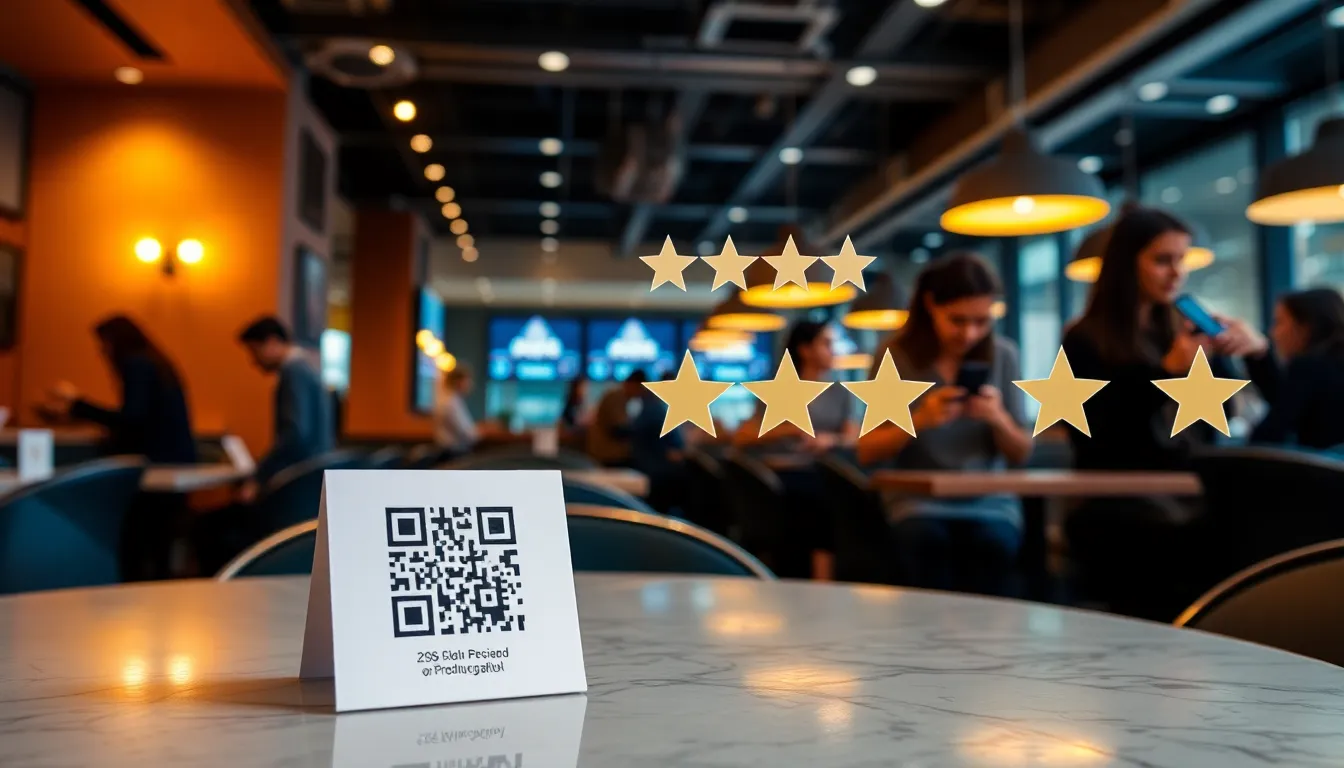
Downtown & Yaletown: This is tourist and business-lunch central. Reviews here heavily emphasize ambiance, service speed for lunch, and "special occasion" suitability. Strategy: Train staff to invite reviews from tourists at the end of the meal ("If you enjoyed your Vancouver dining experience, we'd love for you to share it on Google Maps"). Use table tents or check presenters with a QR code linking directly to your Google review page. Highlight tourist-friendly aspects in your review responses.
Gastown & Chinatown: These are experience-driven neighborhoods. Visitors come for the historic vibe and unique culinary concepts. Strategy: Reviews often mention the "atmosphere" and "unique cocktails." Encourage check-ins and photo uploads. Respond to reviews by reinforcing your unique story and connection to the neighborhood's history.
Main Street, Mount Pleasant & Kitsilano: The heart of the local, hipster, and foodie scene. Customers are savvy and value authenticity, chef-driven concepts, and sustainable practices. Strategy: Reviews are detailed and critique-driven. Engage deeply with feedback. A negative review about a menu change is an opportunity to explain your sourcing philosophy. These communities value transparency and dialogue.
Richmond: The epicenter of Asian cuisine in North America. The customer base is predominantly Chinese-speaking (both local and visiting). Strategy: Multilingual management is critical. You need a system to translate and respond to Chinese-language reviews promptly. A lack of response is seen as disrespectful. Showcasing reviews that praise "authenticity" (地道) is powerful. Tools that can help translate and manage reviews across languages, like ReplyWise AI, which can assist with understanding and generating responses in multiple languages, become essential here.
West End & Davie Village: A mix of local residents and tourists, with a strong LGBTQ+ community. Strategy: Reviews reflect a desire for inclusive, welcoming spaces and reliable neighborhood favorites. Responding to reviews with a personal, community-focused tone is effective. Acknowledge regulars by name if they mention it in their review.
North Shore (North Van, West Van): Destination dining and family-focused. Strategy: Reviews often mention "worth the trip" or "great for families." Highlight views, patio seating, and kid-friendly amenities in your responses. Collect reviews from weekend visitors proactively.
Summary: Tailor your review collection prompts and response style to what each neighborhood's customers value most: speed and ambiance downtown, authenticity in Richmond, community in the West End, and experience in Gastown.
Building Your Vancouver Review Management System
A reactive approach doesn't work. You need a system. Here is a practical, 4-step framework.
Step 1: Audit and Claim Your Digital Real Estate
- Google Business Profile (GBP): This is non-negotiable. Ensure your profile is 100% complete: high-quality photos (interior, food, team), accurate hours, updated menu link, and proper category (e.g., "Japanese Restaurant," not just "Restaurant").[4]
- Monitor Everywhere: Set up alerts for your restaurant name on Google, Yelp, and TripAdvisor. In Vancouver, TripAdvisor is especially influential with tourists.
- Analyze Competitors: Look at the top 3 competitors in your area for key searches. What's their average rating? Review volume? What keywords appear in their reviews ("fresh," "patio," "vegan options")?
Step 2: Implement Proactive, Frictionless Review Collection
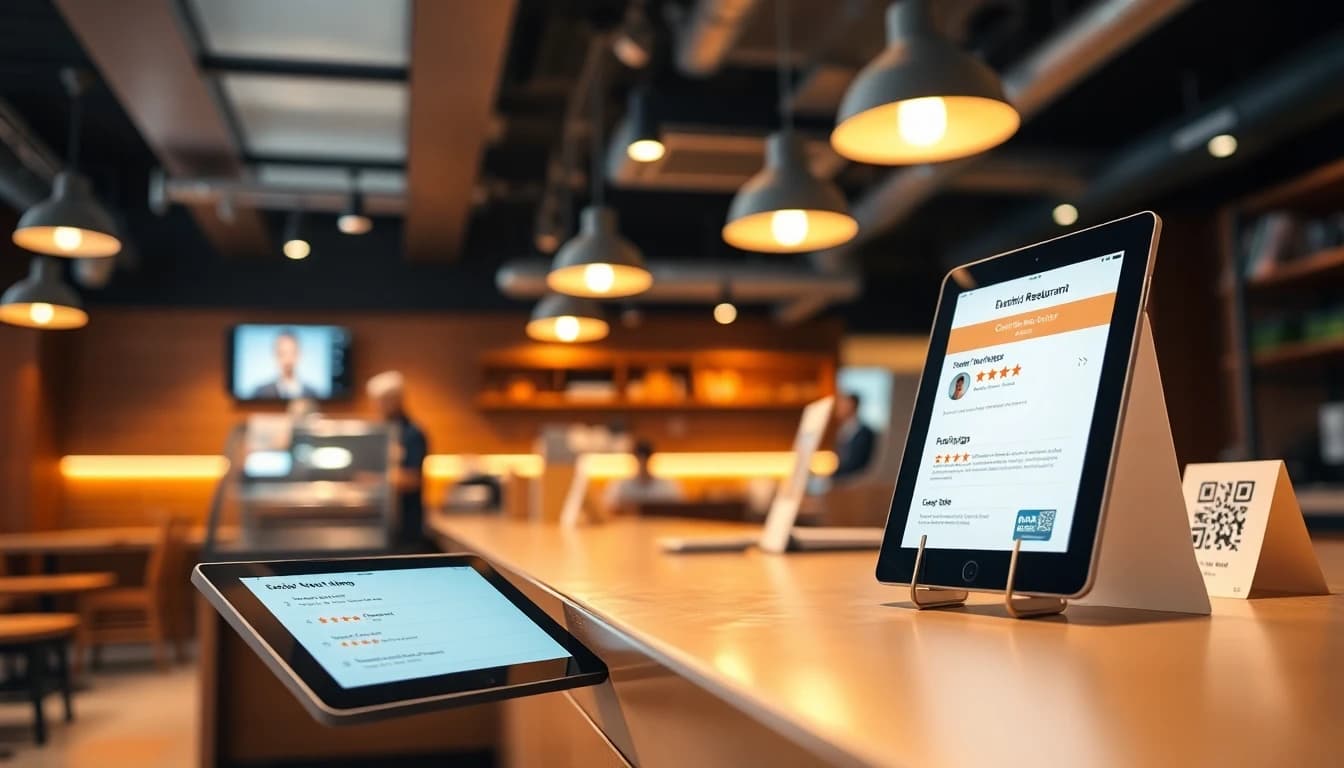
- The QR Code Solution: This is the most effective method for busy restaurants. A simple, branded QR code on the check presenter, table tent, or wall allows a happy customer to leave a review in 30 seconds. The best practice is to prompt them after the payment process, when satisfaction is highest.
- Staff Training: Empower your servers. Give them a simple script: "We're so glad you enjoyed the meal. If you have a moment, we'd appreciate you sharing your experience here." They can point to the QR code. Consider small incentives for the team that collects the most reviews in a month.
- Follow-Up Email/SMS: For restaurants with reservation systems (like OpenTable, SevenRooms), an automated follow-up email 24 hours after the visit with a direct link to your Google review page is highly effective.
Step 3: Master the Art of the Response (In Any Language)
- Respond to Everything: Aim to respond to every review, positive and negative, within 48 hours. This shows you're engaged. Google also factors response rate into local ranking signals.[4]
- Personalize Positive Responses: Don't just say "Thank you." Mention the specific dish they enjoyed ("So glad you loved the miso black cod!") or the occasion ("Happy to be part of your anniversary celebration!").
- Handle Negatives with Grace: This is crucial in Vancouver's tight-knit scene. Thank the reviewer for feedback, apologize for the specific shortfall, briefly explain any context (if helpful, not defensive), and invite them to contact you offline to make it right. This public response is for future customers, showing you handle problems professionally.
- Multilingual Responses: For Chinese or Korean reviews, a response in the same language is a powerful sign of respect. Use a reliable translation service or a tool with multilingual capabilities to ensure accuracy and appropriate tone.
Step 4: Analyze and Act on the Insights
Reviews are free market research. Track them for:
- Menu Feedback: Are multiple people complaining a dish is too salty or praising a particular appetizer? Adjust your menu or feature the winner.
- Service Patterns: Do negative reviews cluster around a specific server or a busy Saturday night? That indicates a training or staffing issue.
- Sentiment Over Time: Use your Google Business Profile insights or a review management dashboard to track rating trends. A sudden dip requires immediate investigation.
A tool like ReplyWise AI can streamline several of these steps. By using a QR code, customers can leave tagged, detailed feedback that the AI helps craft into a genuine-sounding review, boosting collection. The dashboard then aggregates this feedback, translating it into clear analytics about complaint categories and sentiment, and can even suggest response templates, saving managers hours each week[2][3].
Summary: A successful system involves a complete Google profile, easy QR-code-based collection, timely and personalized responses in the customer's language, and using review data to make operational improvements.
Integrating Reviews with Local SEO for Vancouver
In local search, reviews are rocket fuel. Google's algorithm for the "Map Pack" heavily weights the quantity, quality, and recency of reviews[6]. Here’s how to align your efforts:
- Keywords in Reviews: When customers use phrases like "best ramen in Vancouver" or "great patio in Gastown" in their reviews, it reinforces your relevance for those local searches. You can't control this directly, but you can encourage detailed feedback.
- Review Velocity: A steady stream of reviews (e.g., 5-10 per week) signals to Google that your business is active and popular. This is why proactive collection is an SEO activity.
- Geo-Tagging: When reviews come from local Google accounts, it strengthens your local authority. Encouraging your regular neighborhood patrons to review is key.
- Link in Your GBP Posts: When you make a post on your Google Business Profile about a new menu item or event, include a call-to-action like "Try it and let us know what you think!" with a link to the review page.
For a deeper dive into this connection, see our analysis on How Google Reviews Impact Local SEO Rankings.
Summary: Treat review generation as a core part of your local SEO strategy. A consistent flow of positive, recent, and locally-worded reviews is one of the most powerful ways to climb Vancouver's competitive local search rankings.
Your 90-Day Action Plan for Vancouver Restaurants
Month 1: Foundation & Audit
- Complete and optimize your Google Business Profile with professional photos.
- Conduct a full audit of your and your top 3 competitors' reviews across Google, Yelp, TripAdvisor.
- Choose and set up a review collection tool (e.g., create QR codes).
- Train your front-of-house team on the new review collection script and process.
Month 2: Launch & Respond
- Launch your QR code review collection campaign on tables and checks.
- Begin responding to all new reviews within 48 hours.
- Start translating and responding to any backlog of non-English reviews.
- Send your first follow-up review email/SMS to past reservations (if applicable).
Month 3: Analyze & Optimize
- Analyze the first 60 days of collected review data. What are the common praise and complaint tags?
- Hold a 15-minute team meeting to share one positive insight and one area for improvement from the reviews.
- Make one small menu or service adjustment based on the feedback.
- Set a new, higher monthly review volume goal based on your initial results.
Managing your Google reviews is not a marketing side project. For Vancouver restaurants, it's a fundamental operational practice that protects your reputation, drives new customers, and provides the insights you need to thrive in one of the world's most competitive food cities. Start by building your system, stay consistent, and always remember: every review is a conversation with your customer.
References
- [1]Google Business Profile Help: Reviews — Google
- [2]Google Business Profile: Edit Your Profile — Google
- [3]Online Reviews Statistics and Trends — ReviewTrackers
- [4]Online Review Statistics — Podium
- [5]Restaurant Technology News — Nation's Restaurant News
- [6]Restaurant Industry Research — National Restaurant Association
Ready to automate your review management?
Start collecting more Google reviews with AI-powered assistance. Free plan available.
Get Started Free