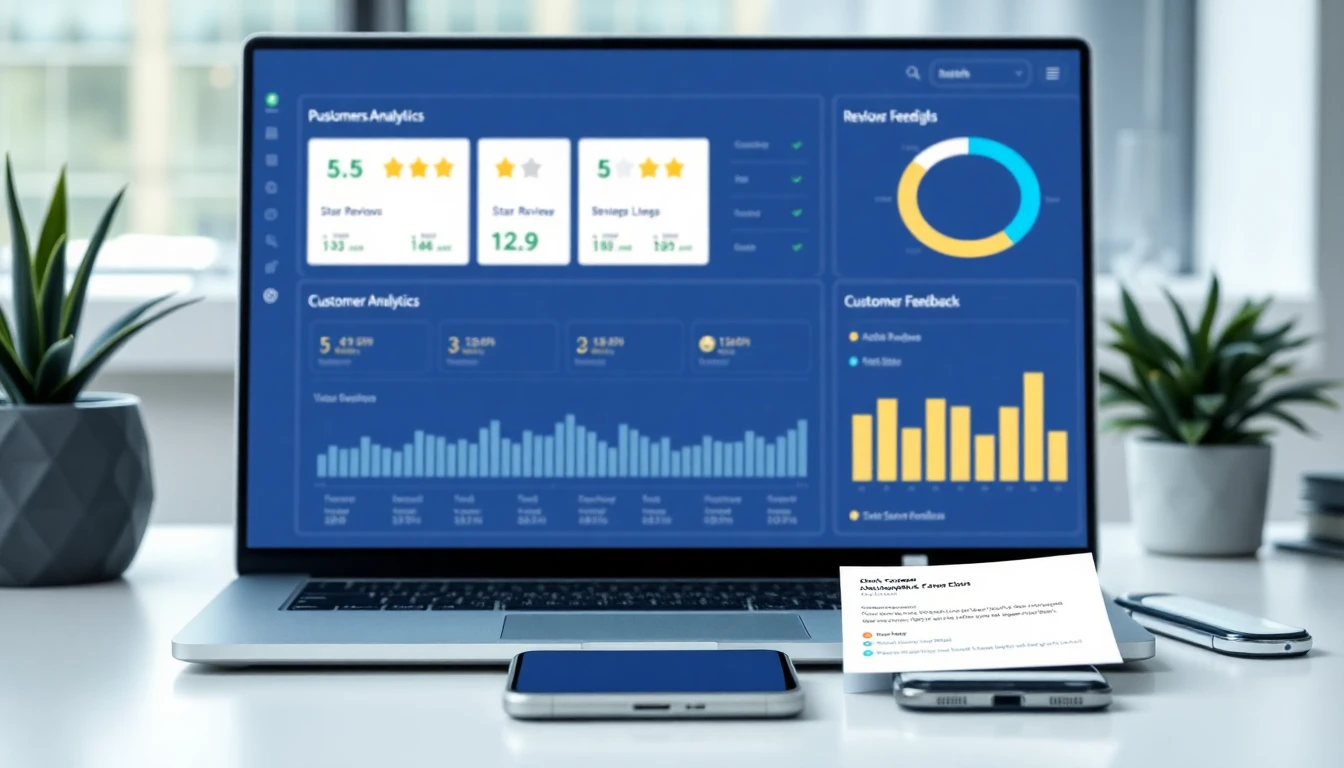
The Customer Feedback Loop: Turn Internal Feedback Into Public Reviews
Learn how to build a customer feedback loop that turns private feedback into public 5-star reviews. A proven feedback-to-reviews pipeline boosts customer satisfaction and online reputation.
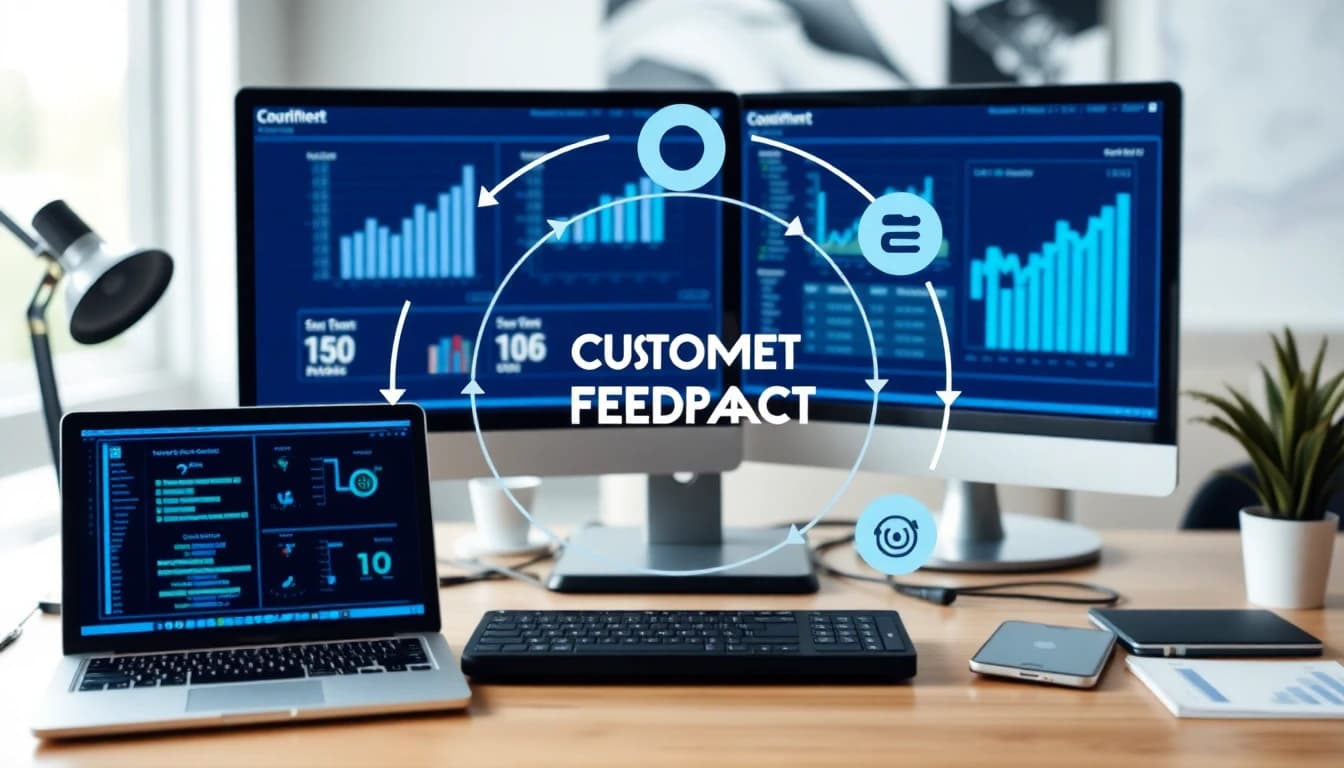
Building Your Feedback-to-Reviews Pipeline
A 2026 BrightLocal survey found that 89% of consumers are 'highly' or 'fairly' likely to use a business that responds to all of its reviews, positive and negative. This statistic highlights a critical shift: reviews are no longer just a passive scorecard. They are the primary channel for customer communication and a direct lever for business growth. For a local business owner, managing this channel reactively is no longer sufficient. The modern strategy requires a proactive system that captures private sentiment and strategically guides it to public platforms. The gap between a customer's private experience and their public review is where reputation is won or lost. A customer who leaves your store mildly dissatisfied might never tell you, but they might tell 500 people on Google. Conversely, a thrilled customer might forget to leave a review entirely. This disconnect represents a massive opportunity cost. The goal is not to manufacture positivity, but to create a structured pathway that captures genuine feedback, resolves issues privately, and amplifies satisfaction publicly. This article outlines a data-backed framework for building a customer feedback loop. We will move beyond theory into a practical, step-by-step implementation plan for creating a feedback-to-reviews pipeline. You will learn how to systematically collect internal feedback, route satisfied customers to review sites, intercept dissatisfaction before it goes viral, and use all this data to drive measurable improvements in customer satisfaction and revenue.
A customer feedback loop is a systematic process for collecting, analyzing, and acting on customer feedback, with a specific pipeline designed to convert private positive feedback into public reviews and resolve private negative feedback before it becomes a public complaint. This pipeline functions as a reputation management engine. It starts with internal feedback collection tools like post-service SMS surveys or in-store QR codes. This private channel is your early-warning system: it gives you the first look at how a customer actually felt, before it becomes public. The invitation to leave a public review should go out the same way to everyone who responds, regardless of their score — for example via a direct link or a tool like the OwnCrew Customer Ops QR code system, which drafts a review based only on the tags a customer selects. What differs by score is what happens in parallel: a low score also triggers an alert to a manager for immediate, private follow-up. The effectiveness of this loop is measured by key performance indicators (KPIs) like your Net Promoter Score (NPS), private complaint resolution rate, and the subsequent increase in your public review volume and star rating. According to HubSpot data, companies with strong feedback loops see customer retention rates up to 25% higher than those without. The pipeline turns every customer interaction into a data point for improvement and a potential public endorsement.
A pipeline is not a single tool, it is a connected workflow. The goal is to move customer sentiment through a defined process with clear ownership and outcomes. A broken pipeline leaks valuable feedback; a functioning one fuels growth. The foundation is capturing feedback at the right moment. The "moment of truth" is immediately after service, when the experience is freshest. For a restaurant, this could be as the bill is presented. For a service business, it's right after the technician leaves. Methods include:
- Post-Service SMS Surveys: A text message with a one-question survey (e.g. "How was your service today? Reply 1-5 stars.") has high open and response rates.
- In-Person QR Codes: A table tent or counter card with a QR code linking to a simple feedback form. This is low-friction for the customer.
- Email Surveys Post-Purchase: More suitable for e-commerce or longer sales cycles, triggered a few days after delivery. This initial touchpoint must be effortless. The question should be binary or use a simple scale. The objective here is not an essay, it's a sentiment score that triggers the next step in the pipeline.
Same Invitation for Everyone, Plus Private Follow-Up When It's Needed
Once feedback is captured, every respondent gets the same follow-up message, regardless of score: "Thanks for sharing your experience! Would you tell others about it on Google?" This message includes a direct link to your Google Business Profile review page. Tools can streamline this further; for example, OwnCrew Customer Ops allows customers to scan a QR code, select tags about their experience — including critical ones — and get an editable draft based only on those tags, which they rework and post themselves.
- Neutral scores (3 Stars) additionally get an open-ended question alongside the same invite: "Thanks for your feedback. To help us improve, what's one thing we could have done better?"
- Low scores (1-2 Stars) additionally trigger an immediate offline alert to a manager, in parallel with — not instead of — the same review invite everyone gets. The customer receives a message from a manager, not a bot: "I'm sorry to hear about your experience. This is [Manager's Name]. Please call me at [Number] so I can make this right." The goal is to reach out about serious complaints quickly, not to keep anyone from posting a review. This proactive approach is detailed in our guide on turning critics into loyal customers.
Integrating Staff Performance and Closing the Loop Feedback data is a powerful
management tool. Positive feedback tagged with a staff member's name should be celebrated publicly in team meetings. Negative feedback related to service should be used for constructive, private coaching, not public shaming. The final, critical step is closing the loop with the customer. If a complaint was resolved, follow up 48 hours later: "Just checking back to ensure your issue was resolved to your satisfaction." This simple act can convert a detractor into a promoter. aggregate feedback trends should be reviewed weekly. Are multiple people complaining about wait times? That's an operational issue to fix, not just a review to respond to.
Summary: A feedback-to-reviews pipeline automates the journey from private sentiment to public action. By sending every respondent the same public review invitation, and routing low scores to a manager for private follow-up in parallel — not instead — you turn feedback from noise into a structured reputation engine, without ever deciding who gets asked based on how they answered.
Optimizing Customer Satisfaction Through Review Data
Public reviews are the richest, most honest focus group you have.
They are unsolicited, detailed, and publicly visible. Treating them merely as a score to manage is a missed opportunity. They are a direct line to customer desires and pain points. Systematic analysis of review content, known as sentiment analysis, moves you beyond the star rating. Look for frequency of specific keywords. In a restaurant, clusters of reviews mentioning "slow service" or "noisy room" are operational red flags. Conversely, frequent praise for "knowledgeable staff" or "great vegan options" are marketing goldmines. This analysis should be a scheduled part of your business review, informing everything from staff training menus to marketing campaigns. For a deeper dive on how this data impacts your visibility, see our 2026 study on Local SEO and reviews.
From Data to Action: The Continuous Improvement Cycle Collecting data is pointless
without action. Create a simple feedback action log.
- Categorize: Tag each piece of critical feedback (public or private) into categories: Service Speed, Product Quality, Cleanliness, Price, etc.
- Assign: Designate an owner for each category (e.g. Service Speed = General Manager).
- Act: The owner implements a change. For "slow service," this could mean a new POS system, revised staff schedules, or a simplified menu.
- Measure: Track the metric. Did average service time decrease? Did mentions of "slow" in reviews drop over the next 90 days? This closes the second, larger loop: Customer Feedback -> Business Analysis -> Operational Change -> Improved Customer Experience -> Better Feedback.
Leveraging Positive Trends for Marketing Positive review trends are your most credible
marketing content. Did you get ten reviews last month praising your new patio? That's a social media campaign. Feature these quotes on your website, in email newsletters, and in digital ads. This social proof is far more effective than generic advertising copy. It demonstrates that your commitment to satisfaction is real and recognized by your peers. Understanding the direct financial return of this activity is key, which we break down in our Review Management ROI analysis.
Summary: Review data is a continuous improvement engine. By categorizing feedback and tracking keyword frequency, you can identify the recurring root causes behind customer dissatisfaction. Acting on this data closes the improvement loop, directly boosting satisfaction and creating authentic marketing content from customer praise.
Measuring the Effectiveness of Your Feedback Loop
You cannot improve what you do not measure. A feedback loop without clear metrics is just a suggestion box. The right KPIs tell you if your pipeline is working and where it's leaking. Focus on a balanced set of leading and lagging indicators. Leading indicators predict future success, while lagging indicators confirm past performance.
| KPI | What It Measures | Tool | Why It Matters |
|---|
| Private Feedback Volume | Engagement with your internal surveys. | Survey Tool — track your own trend over time. | Indicates if your feedback channel is accessible and trusted. Low volume means you're blind to sentiment. |
| Negative Feedback Resolution Rate | % of serious private complaints resolved before becoming public reviews. | CRM/Support Ticket System — aim to resolve as many as possible before they go public. | The core of reputation defense. Measures your team's effectiveness at offline service recovery. |
| Review Conversion Rate | % of respondents, regardless of score, who go on to post a public review. | Link Tracking, Analytics — track your own trend over time. | Measures the efficiency of your "ask" process. A low rate means your review ask is ineffective. |
| Net Promoter Score (NPS) | Overall customer loyalty and satisfaction. | NPS Survey Platform. | The ultimate lagging indicator of customer health and loop effectiveness. |
| Google Review Velocity & Rating | Public reputation growth and quality. | Google Business Profile — track your own trend over time. | The ultimate business outcome. Validates the entire loop's impact on public perception. |
Implementing a Measurement Dashboard Do not track these in separate spreadsheets. Create
a simple weekly dashboard, either in a shared document or using a business intelligence tool. The dashboard should be reviewed in a short, weekly operations meeting. The questions to ask are:
- Did our private feedback volume go up or down? Why?
- Did we resolve all critical private complaints?
- How many new reviews did we get, and what was the source?
- What were the top 3 keywords in negative feedback this week? This regular review institutionalizes the feedback loop, making it a part of your business rhythm, not a side project. It also provides clear accountability, as seen in successful strategies like our 90-day plan to grow restaurant reviews.
The Cost of a Broken Loop Ignoring measurement has a tangible cost.
A low private feedback resolution rate means negative experiences are escalating to public platforms, requiring more time and skill to manage publicly. A low review conversion rate means you are missing out on free, credible marketing that directly influences new customers. According to Google's own policies, authentic engagement with reviews also supports healthy business profiles, while inorganic solicitation can lead to policy violations. A measured, ethical pipeline keeps your reputation building efforts safe and effective.
Summary: Measure your feedback loop with 5 core KPIs: Private Feedback Volume, Resolution Rate, Review Conversion Rate, NPS, and Review Velocity. A weekly dashboard review ensures accountability and lets you catch pipeline failures — and recover from reputation dips — faster, because you're looking at the data in real time instead of after the fact.
References
- [1]Online Reviews Statistics and Trends — ReviewTrackers
- [2]Online Review Statistics — Podium
- [3]Global Consumer Insights Survey — PwC
- [4]Consumer Insights — Nielsen
- [5]Google Business Profile Help: Reviews — Google
- [6]Google Business Profile: Edit Your Profile — Google
Frequently Asked Questions
What's the difference between a customer feedback loop and just asking for reviews?+−
Is it against Google's rules to ask customers for reviews?+−
What is the best tool to start a feedback loop for a small business?+−
How often should I analyze my customer feedback data?+−
What should I do if a customer leaves a negative review despite my private feedback loop?+−
Can a feedback loop really improve my local SEO?+−
Know what needs attention.
OwnCrew Customer Ops brings customer feedback from every location into one place, shows you what keeps coming up, and tracks whether the fix worked.
Start 14-day free trial