Auto Repair Shop Reviews: Build Trust in an Industry That Needs It
Auto repair shop reviews are your most powerful trust signal. This guide covers mechanic Google review strategy and auto service reputation management with real data and actionable steps.
The Core Auto Repair Review Strategy:
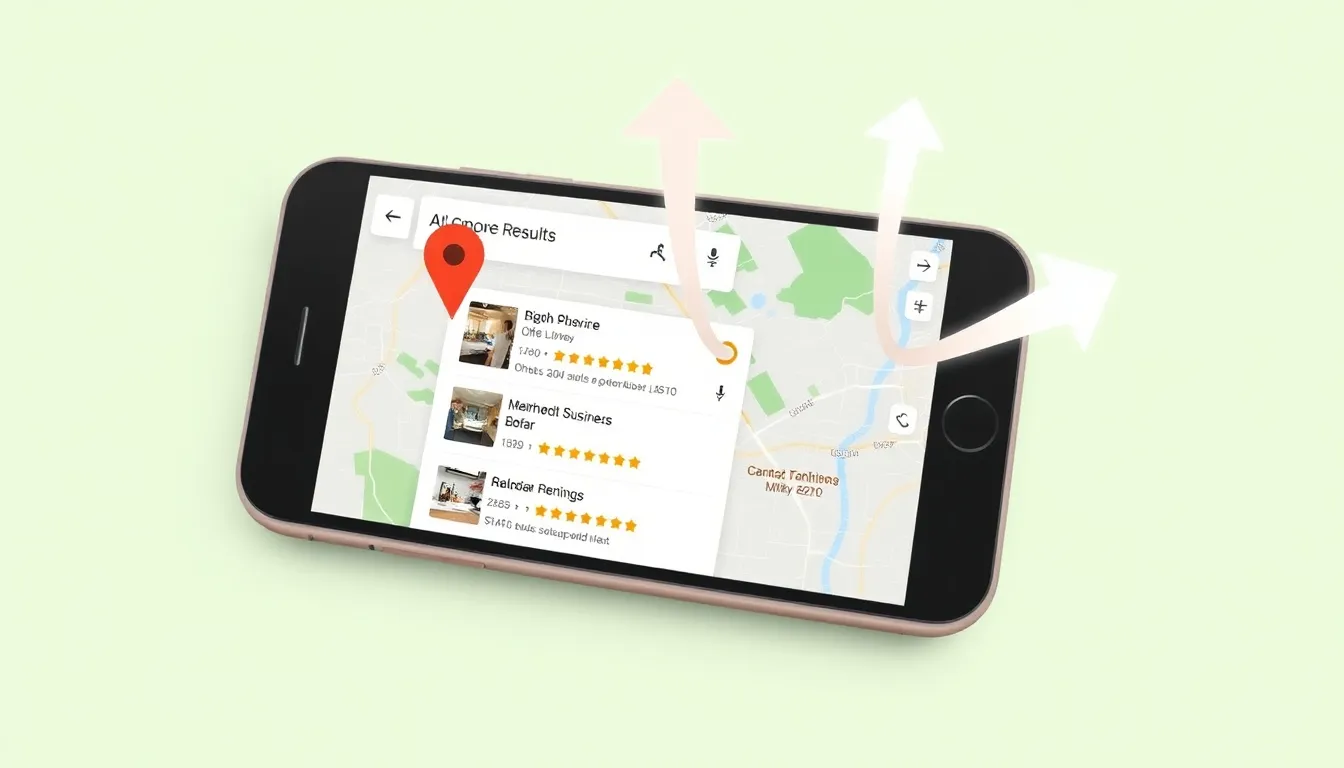
A 2026 BrightLocal study found that 89% of consumers trust online reviews for local businesses as much as personal recommendations, but for auto repair shops, that trust is even harder to earn and easier to lose. In an industry where customers often feel vulnerable due to high costs, technical complexity, and fear of being taken advantage of, your online reputation isn't just marketing, it's your primary credibility engine. Think about it from the customer's side. They're already stressed. Their car is broken, they need it fixed right, and they're worried about the bill. Their first move isn't to call you. It's to Google "auto repair near me" and immediately scroll to your star rating and read the most recent reviews. A stronger star rating consistently earns more clicks than a weaker one in local search results, even when the underlying service quality is similar. Those few tenths of a point, and the content of those reviews, decide if you get the call or if your competitor down the street does. This guide isn't about gaming the system. It's about building a systematic, authentic review strategy that reflects the quality work you do. We'll cover how to get more positive reviews from happy customers, how to handle negative feedback in a way that builds trust, and how to use every review as a tool to improve your shop and attract more business. For a broader foundation, our Complete Guide to Google Review Management in 2026 is a great starting point.
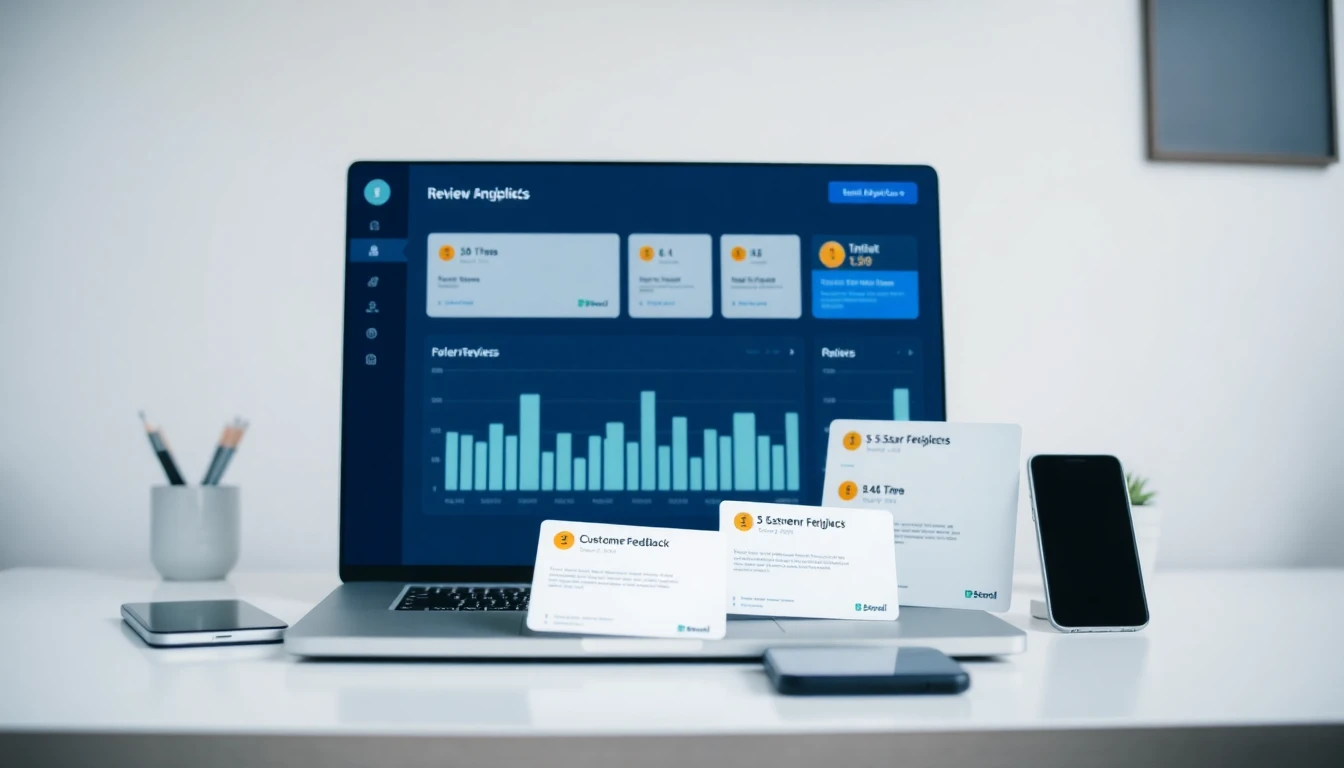
A successful auto repair review strategy focuses on systematically collecting feedback after every service, responding professionally to all reviews, and using insights from reviews to improve customer trust and operational efficiency. Start by making review collection a non-negotiable part of your service workflow. The best time to ask is right after the customer picks up their vehicle, when relief and satisfaction are highest. Use a text message with a direct link to your Google Business Profile review page, sent within one hour of pickup. Tools like OwnCrew Customer Ops can automate this by generating a QR code on your invoice or a follow-up SMS that lets customers select tags about their experience (e.g. "Clear Communication," "Fair Pricing," "On-Time Completion"). which then sends them a direct link to leave a Google review, making it easy to share detailed, specific feedback publicly. Your response strategy is equally critical. Respond to every review, positive and negative, within 48 hours. For positive reviews, thank the customer by name and mention a specific detail from their service. For negative reviews, apologize for their experience, take the conversation offline by providing a direct phone number or email, and state the steps you'll take to investigate. This public response shows potential customers you care. For deep dives on response tactics, see our guides on AI Review Reply Best Practices and How to Respond to Negative Reviews.
From Service to Feedback Your review strategy must be built on the unique trust challenges of the auto repair industry. Customers aren't buying a predictable product, they're buying expertise and honesty for an unpredictable problem. Your process should make giving feedback as easy as getting an oil change.
Timing and Channels: The Post-Service Follow-Up The "when" and "how" of asking
for a review are everything.
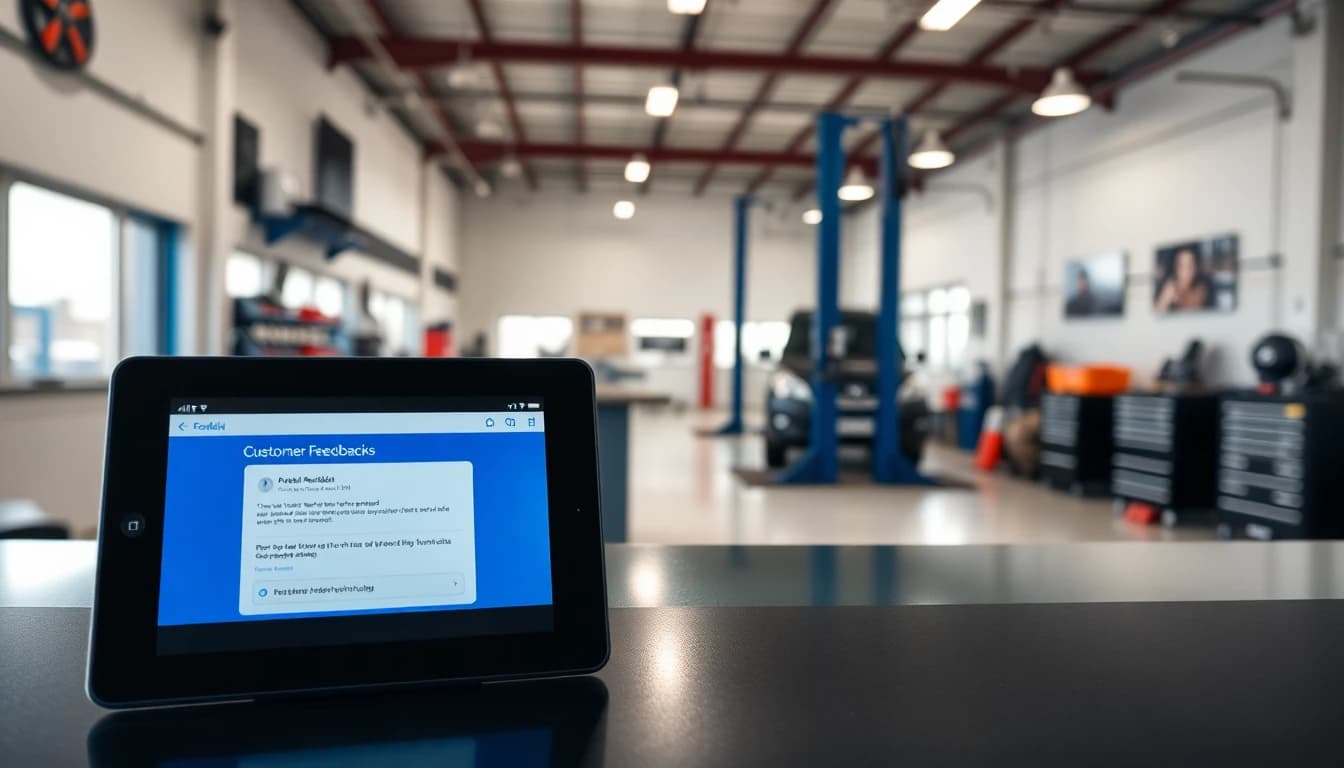
The ideal window is within 60 minutes of the customer picking up their repaired vehicle. They've just experienced the result of your work, the transaction is complete, and if you did a good job, they're feeling positive. A simple SMS works best: "Hi [Customer Name], this is [Shop Name]. Hope your [Vehicle Model] is running smoothly! Could you share your experience with a quick Google review? [Short Link]". Including their vehicle model personalizes the message. For in-shop collection, integrate the ask into your payment process. A QR code printed directly on the invoice or displayed at the front desk, linked to your review page, is highly effective. This method captures customers while they're still physically present and satisfied. Some shops use a tablet at checkout where customers can leave a star rating and a comment before they leave, which is then prompted to post to Google.
Structuring Requests Around Service Tags Generic review requests get generic results, or
none at all. Guide the customer by asking about specific aspects of their service. This does two things: it makes writing a review easier for them, and it generates the detailed, keyword-rich reviews that help your local SEO. Frame your ask around tags like:
- Communication: Were we clear about the diagnosis and costs?
- Timeliness: Was the repair completed on or before the promised time?
- Cleanliness: Was your vehicle returned clean, inside and out?
- Fair Pricing: Did the final bill match the estimate? A tool like OwnCrew Customer Ops operationalizes this. The customer scans a QR code, selects 2-3 tags that applied to their visit, and is taken straight to your Google review page with those specific details fresh in mind. This removes the "blank page" problem and leads to more consistent, high-quality reviews.
Handling Pricing and Dispute Reviews Proactively
Many negative reviews stem from "sticker shock." You can prevent this. Always provide a detailed, line-item estimate and get a signature before starting work. If additional work is needed, call immediately with a clear explanation and a new authorized estimate. A review that says, "The price was higher than expected, but they called me first to explain exactly why" is a win, not a loss. If a pricing complaint appears online, your response must be factual and empathetic. Avoid defensive language like "Our prices are competitive." Instead, say: "We apologize that the final cost was a concern. Our goal is always to provide a complete and safe repair based on our initial inspection. We documented the additional issues found with photos/video, which we'd be happy to review with you. Please call [Manager Name] at [Phone Number] to discuss." This shows other readers you have documentation and a process.
Summary: An effective auto repair review strategy hinges on asking for feedback within one hour of service completion via SMS or invoice QR codes. Guiding customers with service-specific tags produces more detailed review content that highlights the specific things customers valued. Proactive communication on pricing is the single best way to prevent the most common source of negative feedback.
Mechanic Google Review Strategy: Content and Response Tactics
Your Google Business Profile is your digital storefront. The content of your reviews and your responses to them are the conversations happening in your lobby, visible to everyone. Managing this conversation requires specific tactics for the auto service context.
Explaining Technical Repairs in Layman's Terms
A review might say, "They replaced the camshaft position sensor and cleared the P0340 code." That's great for SEO. But a more common review is vague: "Fixed my check engine light." In your response to a positive review like this, you can add valuable detail that builds trust with future readers. For example: "Thanks, [Customer Name]! We're glad we could get your check engine light resolved. For anyone reading, that code pointed to an oxygen sensor issue, which can affect fuel efficiency. Happy to have your [Vehicle Model] running optimally again!" When responding to a negative review about a repair that didn't hold, use technical explanation to demonstrate competence, not confuse. "We apologize the noise returned after we replaced the serpentine belt and idler pulley. The initial repair addressed the most common cause. A returning noise can indicate a tensioner issue, which we would need to diagnose. We stand by our work and warranty. Please contact us to schedule a re-inspection at no charge."
The Power of Before-and-After Documentation
This is a game-changer for both preventing disputes and generating powerful review content. Take a 30-second video or clear photos of the faulty part (e.g. a cracked belt, worn brake rotor) next to the work order or a shop logo card. Show the new part installed. This visual proof serves multiple purposes:
- Customer Trust: Share this via text or email with the estimate. It justifies the repair.
- Review Generation: Happy customers often mention "they showed me pictures of the worn brakes."
- Response Evidence: If a review claims "they replaced something that wasn't broken," you can (privately) reference your documented proof.
- Marketing Material: With permission, use these on your website or social media.
Crafting Responses to Warranty and Parts Complaints Reviews about part failures or
warranty disputes are high-stakes. Your response must reaffirm your shop's integrity. Do not blame the parts supplier publicly. A strong template: "We're sorry to hear the [Part Name] we installed has failed. We use quality parts from trusted suppliers and back our repairs with a [X]-month/[X]-mile warranty, which this repair is under. This is not the standard we expect. Please call [Manager] at [Number] so we can get your vehicle back in immediately, replace the part under warranty, and provide a loaner if needed at no cost to you." This response does several things: it states your quality standards, confirms the warranty, shows urgency, and takes the specific resolution offline. It tells 100 future customers you honor your commitments.
| Review Scenario | Weak Response | Strong, Trust-Building Response |
|---|
| "Part failed after 2 months." | "All parts have a manufacturer warranty. You need to contact them." | "We stand by our work and the parts we use. This is covered under our shop warranty. Please call us to schedule an immediate replacement at no charge." |
| "They took longer than promised." | "Sometimes repairs are more complex." | "We apologize for the delay in getting your vehicle back to you. We discovered additional issues with the [specific system] that needed addressing for your safety. We should have communicated this update more promptly. We're reviewing our process to improve this." |
| "I don't think they did all the work." | "We did the work." | "We take these concerns seriously. We documented the [specific repair] with photos as part of our quality control process. We would be glad to review this documentation with you. Please contact [Owner Name] directly at [Phone]." | > Summary: A mechanic's Google review strategy requires translating technical work into clear, trust-building language. Using before-and-after photo documentation helps prevent disputes and provides powerful content for reviews. Responses to warranty complaints must publicly reaffirm your shop's guarantee and immediately move the specific resolution to a private channel.
Building Auto Service Reputation Through Operational Excellence
Your reputation is shaped by every touchpoint, not just the repair itself. Reviews often mention the "soft" aspects of the experience: wait times, convenience, and communication. Managing these elements proactively turns satisfied customers into vocal advocates.
Managing Wait Time Expectations and Reviews Unrealistic wait times are a major
review killer. Under-promise and over-deliver.
If a diagnostic will take 2 hours, tell the customer 3. If parts need to be ordered, give a realistic ETA plus a buffer. Use text message updates proactively: "Your diagnostic is in process, we're on track for our 3 PM update," or "Good news, the parts arrived early. We can have your car ready by 2 PM instead of 4 PM." When a review praises your timeliness, respond and highlight your system: "Thanks, [Name]! We're glad the repair was ready when promised. Our team works hard on scheduling and communication to respect your time." If a review criticizes a delay, own it and explain the "why" if it was unavoidable (e.g. "We discovered a hairline crack in the cylinder head during assembly, which required sourcing a special part for your safety"). Then, explain what you'll do differently: "We are implementing more thorough pre-order inspections to better anticipate these rare issues."
Generating Reviews from Pick-Up, Drop-Off, and Loaner Services Convenience services are huge
differentiators and deserve their own review prompts.
When a customer uses your pick-up/drop-off service or a loaner car, the follow-up review request should be tailored.
- For Pick-Up/Drop-Off: "How was our free pick-up service? Leave a review and let others know!" This generates reviews that highlight a key convenience benefit.
- For Loaner Vehicles: "Hope the loaner vehicle made your repair process easier. Share your experience!" Reviews mentioning loaners are gold for customers facing major repairs. Train your staff to mention these services are appreciated in reviews. A simple note on the loaner key tag or a text after a pick-up can trigger this.
Systematizing Review Collection from Fleet and Commercial Accounts Fleet accounts are your
bread and butter, but they rarely leave reviews. Change that by making it part of the business relationship. During a quarterly business review with a fleet manager, say: "Your feedback is important. Would you be willing to share your positive experience working with our shop on our Google Business Profile? It helps us attract and retain quality technicians to service your fleet." Provide them a direct link. For smaller commercial accounts (e.g. local contractors, small business owners), a personalized email from the owner works well: "Hi [Business Owner Name], thanks for trusting us with your work trucks. A Google review from a respected local business like yours would mean a lot to us." Their review holds extra weight as a "business-to-business" endorsement. Understanding how these operational reviews feed into your local search visibility is critical. For the full picture, read our data-driven analysis on How Google Reviews Impact Local SEO Rankings.
Summary: Auto service reputation is built on managing expectations, with realistic wait time estimates helping prevent negative feedback. Proactively generating reviews for convenience services like loaners and pick-up turns operational strengths into powerful marketing. Direct, personalized requests are the only effective method for securing valuable reviews from commercial and fleet accounts.
References
- [1]Online Reviews Statistics and Trends — ReviewTrackers
- [2]Online Review Statistics — Podium
- [3]ChatGPT Overview — OpenAI
- [4]Google Gemini AI — Google Blog
- [5]Google Business Profile Help: Reviews — Google
- [6]Google Business Profile: Edit Your Profile — Google
Frequently Asked Questions
How many Google reviews do I need to be seen as trustworthy?+−
Should I offer a discount or incentive for a Google review?+−
A customer posted a 1-star review claiming we caused damage we didn't. What do we do?+−
Is it worth responding to every positive review, or just the negative ones?+−
What's the best way to get more reviews mentioning specific services like brake repair or AC service?+−
Can I ask customers to remove or change a negative review if we fix the problem?+−
How do I handle reviews for a service my shop no longer offers (e.g., tire sales)?+−
OwnCrew Customer Ops Plans & Pricing
Find the right plan for your business size and industry
View Plans & Pricing