Google AI Overviews & Local Business: What You Need to Know
Google AI Overviews are changing local search. Learn how they work, how they use your reviews and business data, and the specific SEO actions you need to take to get your business featured.
How Google AI Overviews Work for Local Business Searches
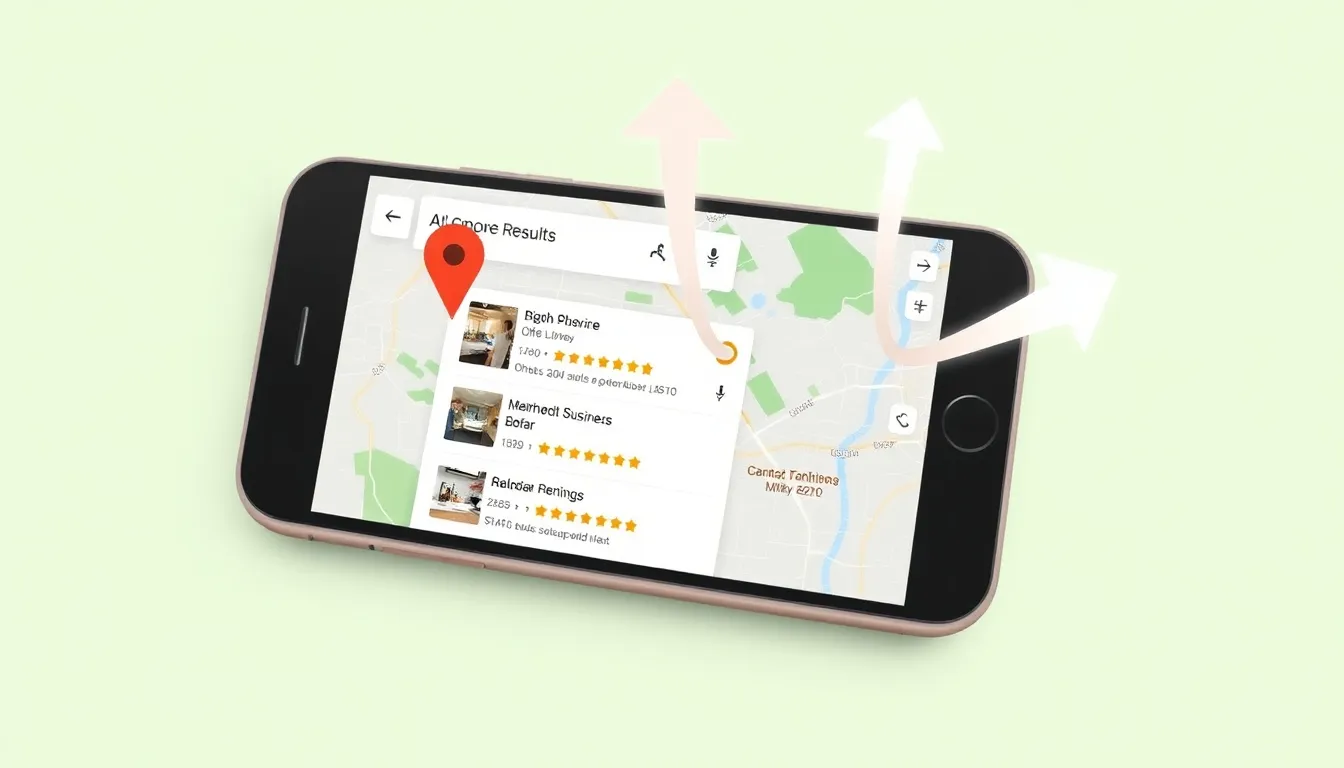
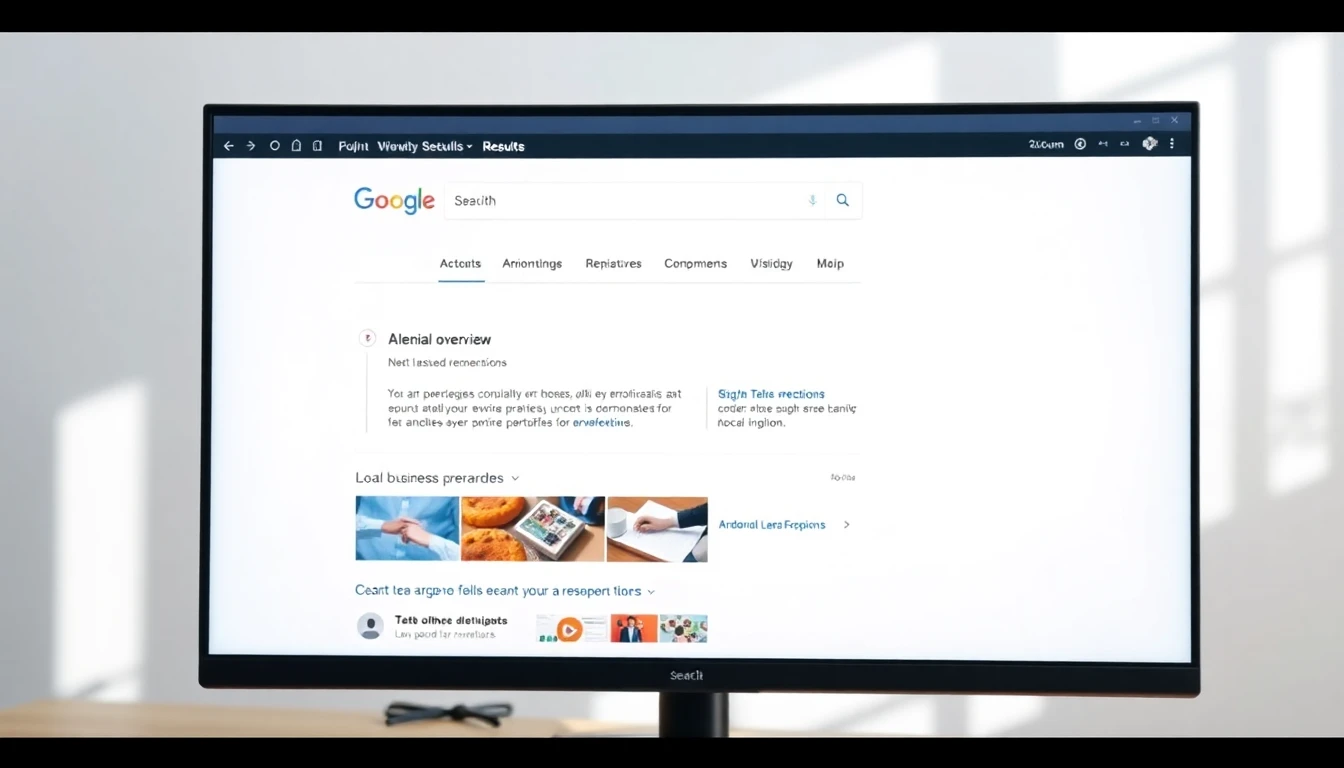
Google's AI Overviews now appear for a large and growing share of complex local search queries, changing how customers find businesses. For a local business owner, this is not a future concept. It is the current reality of search. When someone asks Google "best Italian restaurant for a birthday dinner with outdoor seating," they are no longer just shown a list of links or a map pack. They are given a synthesized answer, pulling data from across the web, including your Google Business Profile, your reviews, and articles that mention you. Your visibility depends on how well your digital presence feeds this AI system. This shift moves local SEO from a focus on ranking in the traditional "local pack" to a focus on being cited as a source of truth. The AI acts as an intermediary, summarizing information for the user. If your business data is incomplete, your reviews are sparse or negative, or your website lacks clear, structured information, you will be absent from these critical AI-generated answers. This article explains the mechanics of AI Overviews for local search, the specific signals that matter, and the actionable steps you must take to adapt.
Google AI Overviews affect local business SEO by shifting the goal from ranking high to becoming a citable, authoritative source that the AI system trusts to include in its generated summaries. The AI pulls data from your Google Business Profile, customer reviews, and relevant website content to answer complex, conversational queries. Your SEO strategy must now ensure your business information is not only accurate but also richly detailed and contextually relevant to the questions people ask. Key actions include optimizing your GBP categories and attributes, generating a high volume of specific, keyword-rich reviews, and creating detailed website content that answers common customer questions. Tools like OwnCrew Customer Ops can help you collect reviews more consistently, which is good practice for local SEO overall — though no tool can guarantee inclusion in a specific AI Overview.
Understanding the trigger mechanism for AI Overviews is the first step in adapting your strategy. These summaries do not appear for every search. They are generated in response to specific types of queries where Google's AI determines that synthesizing information provides more value than a simple list of links.
What Triggers a Local AI Overview?
AI Overviews are most likely to appear for complex, multi-intent local searches. These are questions that require pulling together information from multiple sources. For example:
- "Pediatric dentist open on Saturdays that accepts Delta Dental insurance."
- "HVAC repair company with 24/7 emergency service and free estimates."
- "Dog groomer that handles anxious large breeds and offers mobile service." These queries combine a core service need with specific modifiers (hours, insurance, attributes, service nuances). Google's AI scans its index for businesses that match these criteria, then extracts supporting evidence from reviews, business descriptions, and Q&A sections to build a trustworthy answer. Simpler, navigational queries like "Starbucks near me" or "Home Depot hours" are less likely to trigger an AI Overview, as the intent is more direct.
The Data Sources: Where Does the AI Get Its Information?
The AI constructs its answer from a prioritized set of sources. For local businesses, the hierarchy typically is:
- Google Business Profile (GBP): This is the primary source. The AI extracts business name, categories, attributes (like "offers free wi-fi" or "women-owned"), hours, and services. Incomplete or inaccurate GBP data is widely believed to reduce a business's chances of being included.
- Google Reviews and Q&A: This is the critical qualitative layer. The AI scans review text for specific phrases that match the search intent. For the "dog groomer for anxious large breeds" query, it will look for reviews that explicitly mention "my anxious Great Dane" or "gentle with big, nervous dogs." It also pulls questions and answers from your GBP Q&A section.
- Authoritative Local Websites and Directories: The AI will cite articles from local news sites, "best of" lists from reputable publishers (like local magazines or established review sites), and data from high-authority directories. A mention in a "Best New Restaurants 2026" article is a strong signal.
- Your Business Website: Content from your service pages, FAQ, and blog that directly answers the query can be extracted. However, the website is often a secondary source used to confirm or add detail to information primarily sourced from GBP and reviews.
Tracking Your Visibility in
AI Search Results
You cannot track AI Overview visibility through traditional rank-tracking tools. Instead, you need to adopt new methods:
- Manual Search Audits: Regularly perform the complex, long-tail searches your ideal customers use. Use incognito mode and vary your location settings to see different results.
- SERP Feature Trackers: Advanced SEO platforms like BrightLocal, Semrush, and Moz are developing modules to track appearances in AI Overviews. These tools can show you how often your business is cited for a set of target keywords.
- Review Sentiment Analysis: Since reviews are a key input, monitoring the specific phrases appearing in your reviews becomes important. A tool with sentiment and keyword analysis can show you if customers are mentioning the attributes the AI is looking for.
Summary: Google AI Overviews are triggered by complex local queries that require synthesized answers. The AI prioritizes data from your Google Business Profile and the specific text of customer reviews. To track visibility, move beyond traditional rank tracking and perform manual audits for conversational queries while using sentiment analysis to align your review content with search intent. Businesses that fail to optimize for these triggers will see a decline in high-intent traffic.
AI Overviews SEO:
Optimizing Your Business for AI Citations SEO for AI
Overviews is less about traditional keyword density and more about becoming a clear, authoritative answer to a question. The goal is to make your business data so easily understood and trusted by the AI that it selects you as a source.
Content Optimization for AI Extraction (E-E-A-T for Machines)
The concept of Experience, Expertise, Authoritativeness, and Trustworthiness (E-E-A-T) is now applied by AI systems. Your content must demonstrate these qualities in a machine-readable way.
- Expertise on Service Pages: Do not just list services. Create detailed pages that explain processes, materials used, and benefits. A plumbing page should explain the type of pipe materials used for repiping, the duration of the job, and post-service guarantees. This provides clear text for the AI to extract.
- Structured Data (Schema Markup): This is non-negotiable. Implementing LocalBusiness schema, along with more specific types like
Plumber,Restaurant, orDentist, gives the AI a explicit, structured blueprint of your business. IncludeopeningHours,priceRange,servesCuisine, andmakesOffer. Tools like Google's Structured Data Markup Helper or plugins for CMS platforms like WordPress can automate this. - complete FAQ Pages: Build an FAQ page that answers the real, long-tail questions customers ask before booking or buying. Use clear question headings (
<h3>tags) and concise, direct answers. This format is perfectly designed for AI extraction.
Building Authority Signals the AI Recognizes
Authority is not just about backlinks; it's about being referenced as a reliable source in the right contexts.
- Local Citations and Mentions: Consistent NAP (Name, Address, Phone) data across major directories (like Yelp, Yellow Pages, and industry-specific sites) remains important. More impactful are mentions in local news or feature articles. Proactively reach out to local journalists or bloggers with a story angle related to your business.
- Google Business Profile Optimization: Go beyond the basics. Use every available field: * Attributes: Select every attribute that applies. These are direct answers to AI queries (e.g. "offers financing," "wheelchair accessible," "black-owned"). * Products/Services Menu: Populate this section completely with descriptions and prices if possible. * From the Business Description: Write a detailed description incorporating keywords naturally, focusing on what problems you solve for customers.
The Critical Role of Reviews in AI Overview SEO
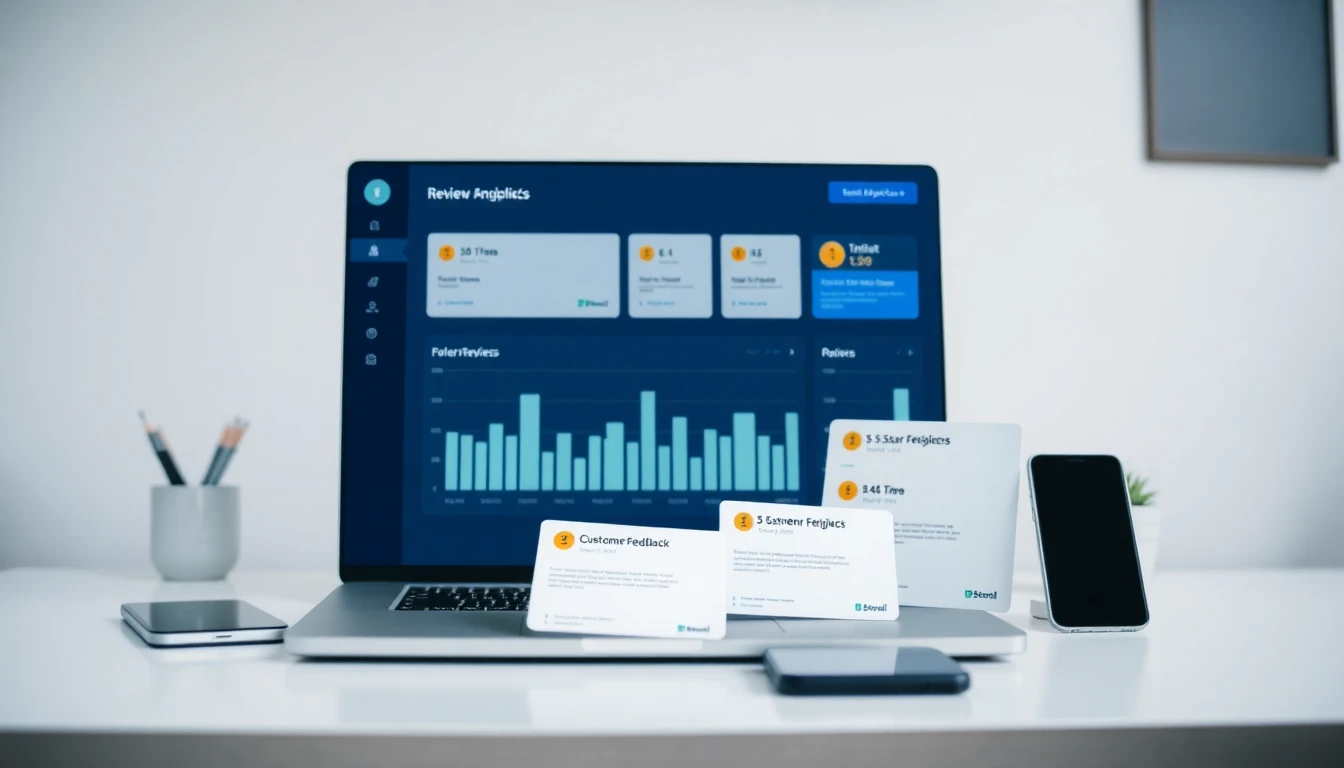
Reviews are the primary source of experiential data. A tool like OwnCrew Customer Ops, which uses QR codes to streamline review collection, can help you gather more of that review content — though it cannot guarantee how or whether Google's AI systems use it. The AI looks for patterns and specific language.
- Volume and Velocity: A steady stream of new reviews signals an active, relevant business. Stagnant profiles are less likely to be cited.
- Review Text Richness: Reviews that mention specific services, staff names, and outcomes ("Sarah fixed my leak in under an hour") are far more valuable than "Great service!".
- Sentiment and Complaint Response: A pattern of negative reviews on a specific issue (e.g. "always late") can cause the AI to exclude you from queries about reliability. Actively managing and professionally responding to all reviews, as facilitated by a dashboard that categorizes complaints, mitigates this risk. For a deeper dive, see our analysis on How Google Reviews Impact Local SEO Rankings.
Summary: Optimizing for AI Overview citations requires structured, detailed content that answers specific questions, both on your website and GBP. Implement LocalBusiness schema markup and fully use all GBP attributes. The richness and volume of your review text are paramount, acting as direct input for AI answers. A systematic approach to generating detailed reviews is now a core technical SEO task.
Local SEO in the Age of
AI Search: Strategy Shifts
The introduction of AI Overviews necessitates a fundamental shift in local SEO strategy. The table below outlines the key changes from the traditional model to the AI-first approach.
| Traditional Local SEO Focus | AI Search Local SEO Focus | Required Action Shift |
|---|---|---|
| Ranking in the 3-pack map results | Being cited as a source in the AI Overview | Focus on citation over pure rank position. |
| General keyword phrases (e.g. "plumber near me") | Complex, conversational queries (e.g. "plumber who fixes slab leaks on weekends") | Optimize for long-tail, question-based keywords. |
| Basic GBP completeness (NAP, category) | Rich GBP detail (attributes, products, Q&A, detailed description) | Maximize every data field in your GBP. |
| Review star rating and count | Review text content, sentiment, and specificity | Encourage detailed reviews that mention specific services and outcomes. |
| Building general backlinks | Earning contextual mentions on authoritative local sites | Pursue featured spots in local "best of" lists and news articles. |
The Relationship Between the Local Pack and AI Overviews
The traditional local map pack is not dead. In many searches, both the AI Overview and the local pack will appear. However, the AI Overview sits above the pack, often answering the user's question directly. The local pack then serves as a "see more options" or map-based reference. The businesses cited in the AI Overview gain a massive credibility boost and are more likely to be clicked in the local pack below. They are presented as the validated answer to the query.
Industries Most Affected by
AI Search Changes
While all local businesses are impacted, some industries feel the effect more immediately due to the complex, high-consideration nature of their services:
- Healthcare (Clinics, Dentists, Specialists): Queries heavily involve insurance, specific procedures, patient experience, and wait times.
- Home Services (Contractors, Plumbers, Electricians): Searches are rich with modifiers like "emergency," "licensed," "free estimate," and "experienced with [specific issue]."
- Automotive (Repair, Detailing): Customers search for specific repairs, warranty acceptance, and shuttle services.
- Hospitality (Restaurants, Hotels): Queries focus on dietary accommodations (gluten-free, vegan), ambiance (romantic, good for groups), and specific amenities (parking, pet-friendly). For a specialized strategy, our Restaurant Google Review Strategy provides a targeted plan.
- Professional Services (Lawyers, Financial Planners): These involve high-stakes searches around specialization, consultation policies, and client testimonials.
Integrating AI Overview Strategy into Your Workflow
This is not a separate project. Integrate these tasks into your monthly marketing routine:
- Monthly Query Audit: Brainstorm 10-15 complex questions your customers ask. Search for them and document if/how AI Overviews appear and which businesses are cited.
- GBP Deep-Clean Quarterly: Every three months, review your GBP for new attribute fields, update your services/products menu, and refresh your description.
- Review Generation as Content Strategy: Treat soliciting detailed reviews with the same priority as publishing a blog post. The text content is your SEO asset. Calculate the value of this effort with our guide on Review Management ROI.
- Structured Data Health Check: Use Google's Rich Results Test quarterly to ensure your schema markup is valid and error-free.
Summary: AI search requires a strategic pivot from ranking to becoming a citable source. This involves optimizing for conversational queries, enriching every part of your GBP, and treating detailed review generation as a core content strategy. Industries with high-consideration services are most affected. Integrate AI Overview audits and optimizations into your regular monthly marketing workflow to maintain visibility.
References
- [1]Local Search Ranking Factors — Moz
- [2]Local Consumer Review Survey — BrightLocal
- [3]Google Business Profile Help: Reviews — Google
- [4]Google Business Profile: Edit Your Profile — Google
- [5]Small Business Guide — U.S. Small Business Administration
- [6]Marketing Statistics — HubSpot
Frequently Asked Questions
Will AI Overviews kill my website traffic from Google?+−
How many reviews do I need to be considered for an AI Overview?+−
Can I pay to get my business into an AI Overview?+−
Should I change how I write my website content for AI search?+−
What's the most important thing to fix on my Google Business Profile right now?+−
How do I know if my business is appearing in AI Overviews?+−
Does responding to negative reviews affect AI Overview visibility?+−
How Reviews Impact Local SEO Rankings
Data-driven analysis of review signals in Google local search
Explore Local SEO Factors